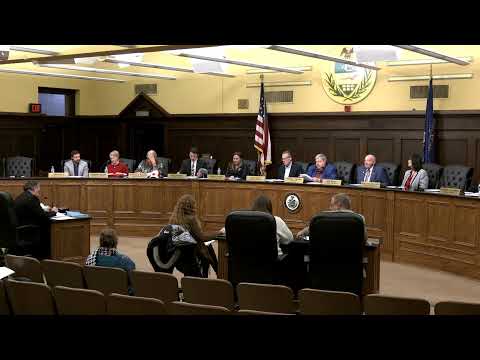
Allegheny County Council approves LERTA for 160-unit Oakland project after heated debate
Loading...
Summary
After extended debate over whether the project meets criteria for a Local Economic Revitalization Tax Assistance (LERTA) incentive, Allegheny County Council approved Resolution 13745-25 to grant a tax exemption for an 11‑story, ~160‑unit Oakland apartment project; the vote was 9–4.
Allegheny County Council voted 9–4 to approve Resolution 13745‑25 on a Local Economic Revitalization Tax Assistance (LERTA) exemption for an approximately 160‑unit, 11‑story apartment development in Oakland.
Council debate focused on whether the project met the LERTA statutory standard for improvements in a “deteriorated area” and whether the developer had demonstrated financial need for the abatement. Opponents said the site — described in the county materials as well within Oakland — does not appear blighted and that the developer has proceeded with construction regardless of county support, asking whether the county should forgo roughly $1.2 million in property tax revenue over the abatement period. Supporters said the project will create roughly 250 union jobs, and the developer provided a sworn affidavit committing that at least 10% of units will be deeply affordable for 10 years.
Council member Paul Klein urged scrutiny of LERTA awards and said the council should not automatically grant abatements in areas that are not deteriorated. In defense of the measure, Council President Katina and others emphasized regional benefits and the risk that delaying approval could raise construction costs or imperil timely delivery of new housing.
Councilman Klein, speaking during debate, said, "Even developers are entitled to a granted due process," and cautioned against inconsistent application of LERTA criteria; other members countered that the administration had certified eligibility and that the project included an affordable‑housing commitment.
After discussion and several members urging that a broader review of LERTA rules happen in 2026, the council approved the resolution. The clerk recorded the vote as Ayes 9, Nos 4; the resolution passed and will be instituted according to the terms laid out in the approved measure.
Next steps: council members who called for LERTA reform urged committee work in the coming year to clarify eligibility, durations and percentage schedules for future abatements.