Get Full Government Meeting Transcripts, Videos, & Alerts Forever!
Get email alerts on the AUMF Revision topic
No spam. Unsubscribe anytime.
Senators Press Officials on Replacing 2001 AUMF; Legal Adviser Says Narrow Rewrite Could Preserve ISIS, Taliban Authorities
Summary
During a Senate committee exchange, an unidentified senator pressed administration witnesses on plans to repeal and replace the 2001 Authorization for Use of Military Force (AUMF), asking whether a new authorization could be misused; Secretary Sherman and the acting legal adviser said a narrower revision of the 2001 AUMF is appropriate to preserve authorities against ISIS and the Taliban.
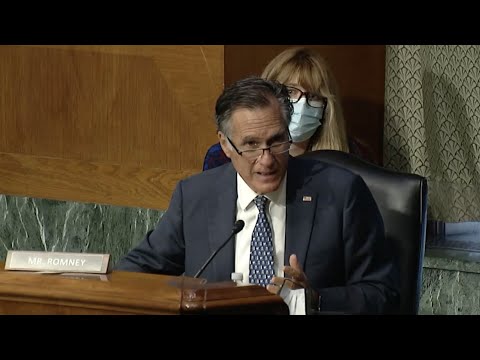
An unidentified senator challenged administration witnesses during a Senate committee hearing over whether Congress should repeal and replace the 2001 Authorization for Use of Military Force, asking specifically whether the Biden administration would misuse any revised authorization. Secretary Sherman replied succinctly, “No, sir.”
Why Congress should remove or replace the 2001 AUMF was a central point of the exchange. The senator cited past failed efforts — including a 2018 revision effort led by Senator Corker and a 2013 proposal tied to Syria that stalled — and said it would be politically difficult for this body to approve a broad new authorization absent a direct threat to the U.S. homeland. “Hope is not a strategy,” the senator said when describing the risks of relying on posturing rather than clear legal limits.
Administration witnesses said revising the 2001 AUMF is appropriate. Secretary Sherman and senior staff noted the United States still retains other statutory authorities — the 1991 and 2002 AUMFs — and emphasized that presidents also rely on Article II powers. Sherman and staff told senators they hoped to work with the Senate on a narrower replacement that would allow continued operations against groups the United States has targeted under the 2001 AUMF.
The acting legal adviser addressed the legal distinctions between the relevant authorizations. “The 2001 AUMF obviously authorizes our activities against ISIS and the Taliban,” the acting legal adviser said, and described the 2002 AUMF as an instrument that the government does not primarily rely on for current counter‑ISIS and counter‑Taliban operations. The official also cited the U.S. strike that killed Qasem Soleimani as an example of an action the government said was carried out mainly under Article II authority rather than the 2002 statute.
Senators pressed timing and foreign-policy concerns: the unidentified senator warned that moving to repeal or replace the AUMF while Iraq approached national elections could be misread in the region as U.S. disengagement, and he argued that U.S. interests include preventing crises from becoming threats to the homeland. Witnesses did not announce legislation or a vote during the exchange.
The discussion concluded without a formal vote; witnesses and senators signaled an interest in further work between the executive branch and the Senate to shape a narrower statutory framework. The committee’s next procedural steps were not stated in the provided segments.