Get Full Government Meeting Transcripts, Videos, & Alerts Forever!
Get email alerts on the U.s China Relations topic
No spam. Unsubscribe anytime.
Ambassador nominee urges communication and alliances to reduce China risks as senator lists abuses
Summary
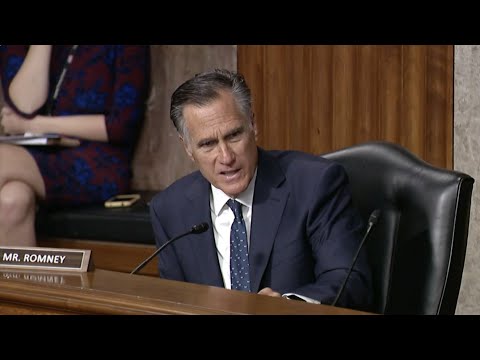
During a Senate confirmation exchange, an unnamed senator accused China of seeking global dominance and alleged human-rights abuses; the ambassador nominee said U.S.-China relations are different than in prior decades, stressed channels to avoid accidental conflict, and urged working closely with allies.
An unidentified senator pressed an ambassador nominee during a Senate confirmation hearing about China’s global ambitions and human-rights record, saying Beijing "seek[s] to replace us as the global leader" and listing censorship, intellectual property theft, treaty breaches, repression of religion, social-monitoring systems and, in explicit terms, "committing genocide." The senator tied those allegations to a question about whether the United States still has leverage to influence Chinese behavior.
The ambassador nominee responded that U.S.-China relations are "fundamentally different now" from 10 or 20 years ago and argued for multiple channels of communication to "mitigate the danger of an accidental conflict" and to maintain clear, consistent messaging. "If confirmed, I'll be on point for the country and the government, in Beijing talking directly to the Chinese," the nominee said, and added that congressional travel and direct presidential conversations are also important.
Pressed about allied commitment, the senator asked whether allies were advancing common efforts or retreating. The nominee said they did not see a retreat, pointing to a "stiffening of the resolve" in Japan and describing Australia as "rock solid," while calling India a strategic military partner though not a treaty ally. The nominee described Europe as more mixed and said the outcome of German coalition talks could affect policy toward China; the nominee also noted public criticism of China from some European leaders.
When asked whether China is an unstoppable "juggernaut," the nominee urged caution about overstating Chinese strength. They cited demographic challenges and said China’s aggressive actions in the South China Sea and East China Sea had produced regional resistance. The nominee emphasized that U.S. self-confidence and shared values, backed by alliances and partners, are central to an effective strategy toward China and Taiwan.
The exchange ended with the senator thanking the nominee. The nominee repeatedly framed diplomacy as a mix of deterrence and engagement, saying channels for communication, allied coordination and direct high-level conversations are essential to reduce risks of miscalculation.