Get Full Government Meeting Transcripts, Videos, & Alerts Forever!
Get email alerts on the Afghanistan Withdrawal topic
No spam. Unsubscribe anytime.
Senator presses secretary on Afghan evacuation priorities, Taliban ties and 2001 AUMF review
Summary
In a Senate hearing the secretary said the Taliban’s ties to Al Qaeda "have not been severed," defended the decision timetable for military drawdown, and said the top evacuation priority is U.S. citizens while acknowledging thousands of green card holders and SIV applicants remained in Afghanistan.
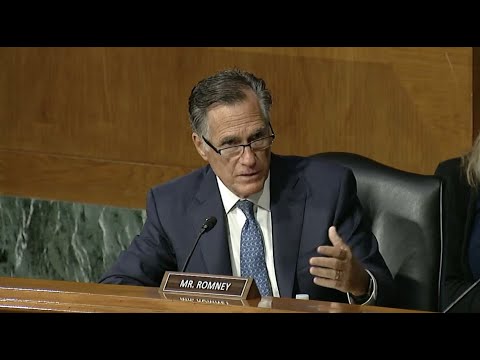
An unidentified senator pressed the secretary of state during a Senate hearing on the U.S. withdrawal from Afghanistan, demanding answers about Taliban ties to extremist groups, whether the 2001 Authorization for Use of Military Force should be revisited, and how evacuation priorities were set for U.S. citizens, legal permanent residents and Special Immigrant Visa applicants.
The secretary told senators "the relationship has not been severed," saying it is unclear whether Taliban views toward Al Qaeda have changed and noting U.S. intelligence assesses those groups are not currently capable of outwardly directed attacks. He drew a distinction between the Taliban and ISIS-K, calling them "sworn enemies." The secretary added that the intelligence community sees a built-in disincentive to allowing outwardly directed attacks because of the consequences experienced after 2001.
Why it mattered: senators pressed how U.S. planning accounted for a rapid collapse. The senator sharply criticized the withdrawal process as "disastrous" and framed the issue as a moral obligation not to abandon Afghans who worked with U.S. forces.
On evacuation priorities, the secretary said, "Senator, our number 1 priority is American citizens, and that has, I think, long, long been the case," and that the department also tried to identify and assist legal permanent residents and SIV applicants. When asked for counts, the secretary said exact numbers were not available; he characterized the number of green card holders still in Afghanistan as "in the thousands." He said the United States had "inherited about 18,000" SIV applicants and that about half of those applicants had not yet received chief-of-mission approval at the time the accounting began.
The senator asked why the U.S. did not set a withdrawal date later than Aug. 31 to allow more time to process SIVs and other partners. The secretary said military planners had told civilian leaders a safe, orderly retrograde required three to four months, which was the rationale for moving beyond a May 1 date to August and early September. He said planners expected Afghan security forces to remain in control after the drawdown and that the embassy was planned to remain operational with roughly 600 U.S. military personnel to secure it. "What was not anticipated was the collapse of the government security forces," the secretary said, adding that that sudden collapse changed the plan.
What was not decided: senators and the secretary agreed authorities for future contingencies should be reviewed. The secretary said if the United States lacks needed authorities, "we should get them," whether by relooking at existing authorizations or drafting new ones. No formal votes or binding policy changes occurred in the exchange.
The hearing continued with further questioning on intelligence assessments and evacuation logistics; the secretary reiterated that the rapid collapse of the Afghan security forces altered expectations about what would follow the August military drawdown.