Get Full Government Meeting Transcripts, Videos, & Alerts Forever!
Get email alerts on the Licensing topic
No spam. Unsubscribe anytime.
Council approves ordinance to combine bar/tavern license pools, adds 350‑foot proximity rule
Summary
Council approved Ordinance 25‑22 to combine bar and tavern license pools into a single pool (one license per 6,000 people under current population) and establish a 350‑foot setback from existing bars or taverns; local business owners largely supported the change while some residents warned the setback could constrain property use.
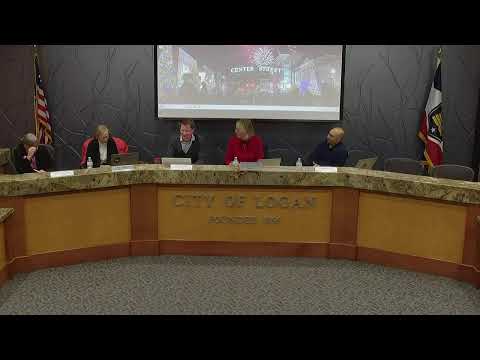
The Logan City Council on Dec. 2 approved Ordinance 25‑22, changing bar and tavern licensing rules to combine separate license pools into a single pool (calculated at one license per 6,000 residents under the city’s present population) and adding a 350‑foot proximity restriction between new licenses and existing bars or taverns.
Staff summarized the two‑part amendment: merging existing bar and tavern license pools would increase the available total number of licenses (staff estimated the combined pool would be nine licenses at current population, creating two additional licenses beyond the currently issued set plus pending applications). The ordinance also creates a new local proximity requirement that prevents a new bar or tavern license within 350 feet of an existing licensed establishment, but it will not affect existing licenses (grandfathered).
Several members of the public spoke in support. Van Keede, owner of the Hobbledog Factory, said the change would help local entrepreneurs gain license access. Linda Johnson, a Logan resident, said she supported lowering the population denominator but worried the 350‑foot proximity rule might unintentionally limit property buyers’ options downtown. Local business owners Carrie Bentley and Chris Bentley spoke in favor of the change as a way to increase community gathering places and support small local businesses.
Council discussion covered public‑safety data, the pros and cons of adding licenses, comparative jurisdiction approaches, and whether the proximity restriction is overly restrictive in the compact downtown area. One council member expressed long deliberation over potential negative impacts associated with increased alcohol availability but ultimately the council majority supported the ordinance. Council voted to approve Ordinance 25‑22 by voice vote; the motion carried.
Staff said the change is focused on future license availability and clarified that state setback rules from community facilities (schools, churches, parks) remain in place. The ordinance is effective per the city’s normal ordinance adoption timing.