Get Full Government Meeting Transcripts, Videos, & Alerts Forever!
Get email alerts on the Local Environment And Regulation topic
No spam. Unsubscribe anytime.
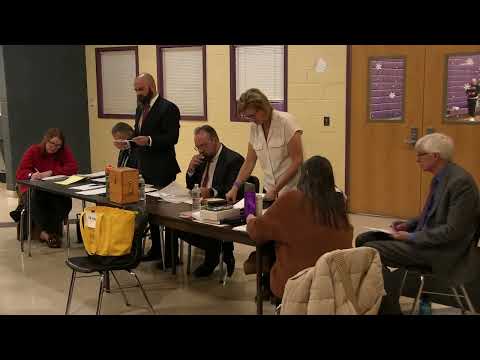
Citizen petition to ban small single‑use alcohol containers sparks debate; amendment for 15¢ deposit fails
Summary
A citizen petition (Article 26) to ban small single‑use alcohol containers — commonly called 'nips' — prompted extended presentations and public comment. An amendment to impose a 15¢ deposit and return system instead of an outright ban was proposed and failed; the town attorney warned any bylaw would be reviewed by the Massachusetts Attorney General and might be rejected if it conflicts with state law. The final disposition of the original petition was not recorded in the supplied transcript.
A citizen's petition, introduced under Article 26, asked the Town of North Brookfield to adopt a bylaw banning the sale of small single‑use alcohol containers (commonly called 'nips') of about 100 milliliters or less.
Bruce Island, the petition proponent, presented for up to five minutes, describing environmental and public‑health concerns. He told the assembly that discarded small alcohol containers are pervasive litter, release micro‑ and nano‑plastics into waterways, and can be used to conceal alcohol for underage drinking or to evade open‑container laws. He urged voters to support the proposed bylaw.
Resident John Tripp proposed an amendment to replace an outright ban with a 15¢ deposit‑return system collected and handled by liquor stores. Tripp said he had discussed the idea with liquor‑store owners and estimated such products represent a significant share of retail revenue. Local business owners testified that a deposit system or ban would have economic consequences for small retailers; Yugesh Patel (owner of Baaz Delhi) and Ashish Patel (local business owner) said they supported cleaner streets but worried about losing revenue if neighboring towns did not impose the same requirement.
The town attorney addressed legal considerations, advising the meeting that town bylaws must be submitted to the Massachusetts Office of the Attorney General for review and that the AG typically rejects bylaws that are inconsistent with state law. The attorney indicated he had not seen this precise issue before but expressed concern that a local deposit scheme could conflict with state‑level deposit statutes.
The amendment proposing a 15¢ deposit was put to a majority hand vote and did not pass. The moderator then returned the assembly to the original petition (the ban) and allowed additional public comment; the supplied transcript ends with motions to reconsider being discussed and before a final record of the original petition's adoption or rejection.
Quotes from the meeting include John Tripp’s observation, "I really don't think that it's up to the board of selectmen to... ban the sale of a legal product in Massachusetts," and the town attorney's procedural reminder that "anytime the town adopts a bylaw... it has to go to the... attorney general" for review. The transcript also records direct appeals from residents conducting cleanup events who said the small bottles are the most common items they collect.
Next steps (not captured in the supplied segments) would include a final hand count or ballot (if required by bylaw rules) and, if adopted, submission of any new bylaw to the Attorney General for review.