
Westerville board holds first reading of attendance-policy changes required by House Bill 96
Get AI-powered insights, summaries, and transcripts
Subscribe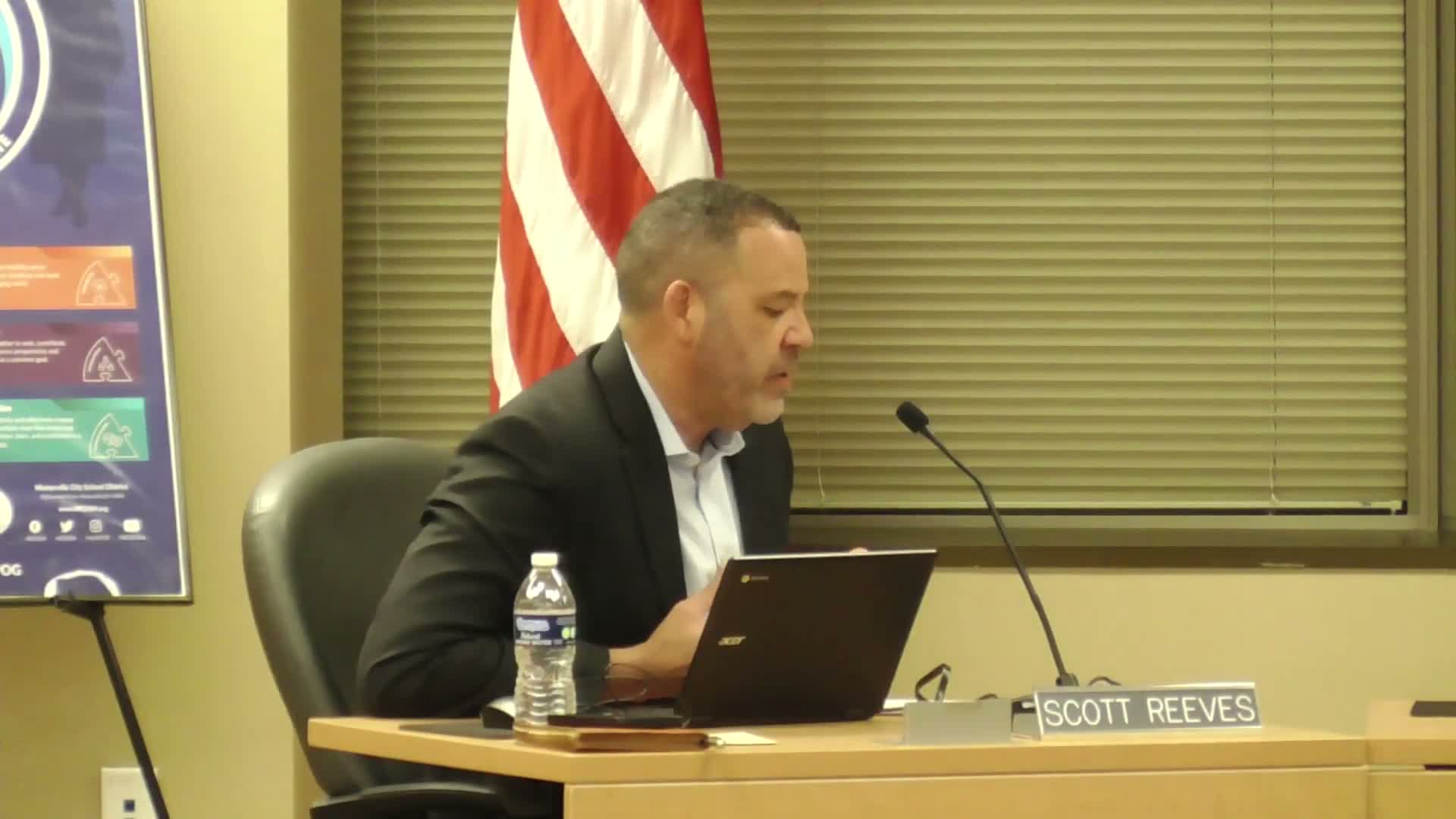
Summary
At a Dec. 15 first reading, Westerville City Schools staff outlined changes to attendance rules tied to House Bill 96, including districtwide absence-intervention teams, new definitions of habitual truancy and a July 1, 2026 adoption deadline; staff will publish family-facing guidance before a January second reading.
WESTERVILLE, Ohio — The Westerville City Schools Board of Education on Dec. 15 reviewed proposed revisions to Policy 5200 to comply with House Bill 96, a package of changes that district staff said reduces some building-level requirements while adding new statewide definitions of habitual truancy.
Scott Reeves, speaking for Superintendent Hamburg (who was absent), told the board the changes would relieve buildings of some administrative duties while requiring each district to establish at least one districtwide absence intervention team. Reeves said districts are no longer required — if the policy passes — to create individual truancy intervention plans or assign building-level absence intervention teams but must still notify parents when students miss a threshold of instructional hours. The board’s local notification threshold cannot exceed 5% of the state’s minimum hours of instruction, Reeves said.
The proposed policy also incorporates new definitions of habitual truancy the presenter described as: 30 or more consecutive hours absent without legitimate excuse; 42 or more hours in one school month; or 72 or more hours in one school year. Reeves said the district attendance officer must file a complaint in juvenile court for students who meet the habitual-truancy definition unless the district finds the student and family are making ‘‘satisfactory progress’’ to improve attendance.
Board members asked for clearer definitions of ambiguous terms in the draft, such as what constitutes being ‘‘unruly’’ or ‘‘making satisfactory progress,’’ and whether excused absences for driver’s education would be counted in state report-card calculations. Reeves said those operational details will be described in administrative guidelines and pledged to consult Ohio Department of Education materials. He told the board he would work with Nick McElwain’s department and produce a plain-language summary for families before the second reading, which the board expected to take up in January.
Why it matters: The changes are statewide, required by recent legislation, and modify how districts track and respond to chronic absenteeism. The district must formally adopt a policy reflecting these updates no later than July 1, 2026; Reeves noted the law’s effective date began Sept. 30.
What’s next: Staff will research whether driver’s-education excused absences count against the district’s state report card and will return with clarifications and a family-facing explanation at the second reading planned for January.