
Philomath committee approves removal of library elm after OSU diagnosis of Dutch elm disease, 4–0
Get AI-powered insights, summaries, and transcripts
Subscribe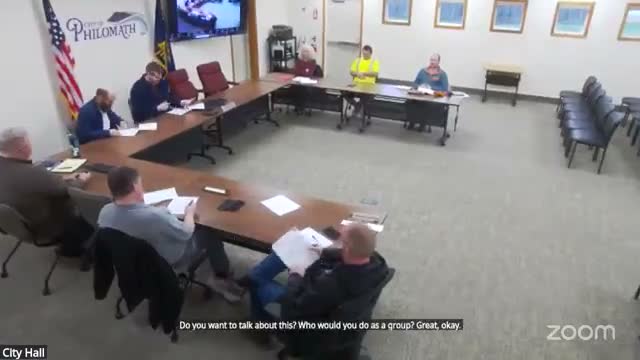
Summary
Following an OSU diagnosis that found Dutch elm disease, the Public Works Committee approved removal of the large elm in front of the library, reviewed disposal and salvage options, and agreed to signage and a replanting plan tied to Arbor Day; the motion passed 4–0.
The City of Philomath Public Works Committee on Dec. 12 voted 4–0 to remove a large elm tree in front of the city library after Oregon State University testing indicated the tree has Dutch elm disease.
Arborist and committee members reported that once the fungus is established the stressed tree attracts bark beetles and can create a breeding site that spreads the pathogen to neighboring elms. “You can create a breeding site for those beetles to then take that disease to other neighboring elm trees,” said a committee consultant during the discussion, and members said the level of decay — described in the hearing as roughly 35–45% of the tree — made removal the responsible option.
Disposal and salvage: committee members discussed several disposal options and their costs. Staff reported a stump-grinding vendor (Biggs Tree Service) gave an estimate of about $500–$700 to grind the stump; other removal estimates for large crews were described as 8–12 people for multi-day work. The committee discussed burning the material on-site with a special permit from the fire department, hauling material to Coffin Butte, or salvaging specific debarked logs for indoor commemorative uses such as a city bench or lobby display. Staff cautioned that any wood or equipment moved between elm trees must be debarked or sterilized to avoid spreading the pathogen.
Public outreach and replanting: members asked for signage and an advisory to explain why the heritage tree will be removed and to note that the site will be replanted, aiming to tie replanting to Arbor Day events in April. Several suggested salvaging smaller ‘cookies’ or slabs for plaque displays in City Hall and producing a short informational handout explaining Dutch elm disease and the city’s decision.
Longer-term priorities: the discussion broadened to urban forestry inventory and preventative management. Committee members noted the city lacks a complete inventory of street trees and that having a prioritized list could allow targeted preventative injections for high-value specimen trees in the future. Staff and members agreed to pursue quotes for salvage/milling, to schedule the physical removal with advance public notice, and to plan replanting and a short public information campaign.
The committee recorded the motion to remove the tree as moved by Graham Peters and seconded (transcript lists seconded by Gianna); the motion passed unanimously, and staff will coordinate quotes, disposal logistics and public notification.