Get Full Government Meeting Transcripts, Videos, & Alerts Forever!
Get email alerts on the Land Use Rezone topic
No spam. Unsubscribe anytime.
Planning commission postpones rezone of 29-acre rifle-range parcel after hours of public comment
Summary
After more than an hour of public testimony and technical questioning about EPA cleanup costs and replacement plans, the Morgan County Planning Commission voted unanimously to postpone a proposed rezone of a 29.48-acre rifle-range parcel to Feb. 12, 2026 so staff and the applicant can gather more information.
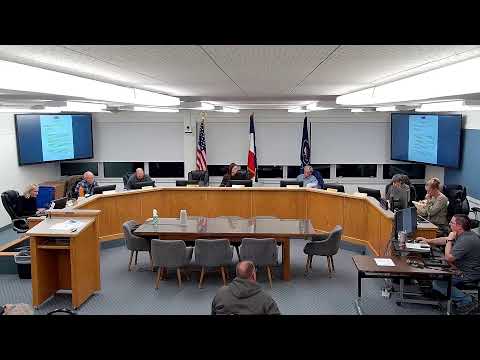
The Morgan County Planning Commission on Dec. 11 heard a lengthy public hearing on a proposal to rezone a 29.48-acre county-owned parcel that currently houses the Bridal (county) rifle range. The applicant, County Administrative Manager Kate Becker, told the commission the county seeks a rezone from MU-160 (multiple-use) to R‑1‑20 to increase the parcel—s market value so proceeds could be used to acquire and develop a replacement rifle range away from encroaching urban development. "We are not anti gun," Becker said. "This is prepping to see what I can get out of the property for when we move it." Becker said proceeds from any sale would be held in a restricted rifle-range fund and reinvested in a new facility; she said remediation of any EPA-identified contamination would be required before a sale and estimated a move would take at least a year.
The public hearing drew dozens of residents, the mayor of Morgan City and range advocates who urged caution. Cameron Porter, who said his backyard abuts the range, urged the county not to rely on "intent" and asked for enforceable guarantees that a replacement facility would exist before any closure. Several speakers pressed staff for a hypothetical appraisal of the property as residential and for answers about the cost and logistics of remediation and replacement.
Randy Watt, a range designer and former police executive who described long experience with range design and closures, warned that changing the zoning "begins this process of putting the county ... on the hook for what is likely to be a several million dollar debacle" if the range is closed and EPA remediation is triggered. Watt described the EPA—s role in inspections and said closure, if the site is unused for a defined period, can require excavation, transport and landfill of contaminated soil and long-running testing. Public speakers and staff cited a range of estimates for remediation, and at least one resident suggested cleanup could exceed $5 million.
County staff and legal counsel told the commission they have contacted EPA for information but do not yet have a definitive mitigation cost estimate. Staff also said the county has an appraisal of the property in its current condition at roughly $81,000 per acre; staff said an "at-risk" appraisal as-is differs from a hypothetical appraisal if rezoned. Counsel explained that rezoning would not automatically prohibit continued operation while the range remains in use, but that abandonment could change its legal status and trigger further obligations.
Given the volume of public concern and outstanding technical questions, the applicant asked that the matter be postponed. Member Sessions moved to postpone the rezone to the Feb. 12, 2026 planning commission meeting and to hold another public hearing; the motion was seconded and carried unanimously.
The planning commission will forward its recommendation and the record to the Morgan County Commission, which has the final authority on legislative rezonings. The county manager said that if the planning commission recommends moving forward the rezone will appear on the county commission—s Jan. 6 public hearing agenda; however, because the planning commission voted to postpone, the next local public hearing on the rezone will be Feb. 12, 2026 at 6:30 p.m.