Get Full Government Meeting Transcripts, Videos, & Alerts Forever!
Get email alerts on the Facility Use Policy topic
No spam. Unsubscribe anytime.
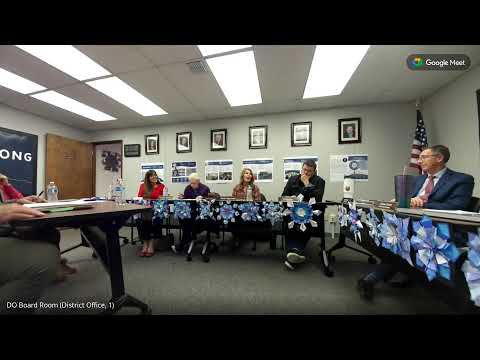
Eatonville board holds work study on facility-use policy 4260; discusses fees, custodial coverage and stadium readiness
Summary
In a work study on Policy 4260 the Eatonville School District board and staff reviewed user categories, custodial responsibilities, insurance and fee schedules for community facility use and discussed preparations and cost recovery for the district's new stadium.
The Eatonville School District board held a work study on Policy 4260, reviewing proposed WASDA/OSPI-suggested updates to the district’s facility-use rules and discussing how to balance community access with the district’s custodial and safety responsibilities.
Board members and facilities staff discussed a proposal to consolidate user categories (moving from four categories to three) and debated whether to create separate classifications for recurring community groups, nonprofit youth sports and commercial users. Staff said organizations must register on the district website and provide insurance; approvals are handled season-by-season for many sports and the system flags expiring insurance so staff can intervene if coverage lapses.
Several board members urged clearer, consistent expectations for outside groups. Suggestions included a posted checklist for groups to complete at the end of a rental, periodic custodian walkthroughs, and a single set of gym rules (no food in the gym, no soda, etc.) to reduce variability and disputes. One board member proposed a rental ‘check-out’ form—similar to a rental-car inspection—to provide accountability when groups leave a facility.
The district’s finance staff reported custodial overtime and benefits numbers and recommended updating per-hour custodial and technical-service rates (an IT support or lighting operator rate in the auditorium was cited as meaningfully low). The superintendent and board said fee schedules established by the superintendent should be reviewed and updated annually so fees recoup employee costs when events generate extra utility, cleaning or supervision expenses, while remaining affordable for community groups.
Board members also discussed escalation and enforcement thresholds: whether repeated damage or rule violations should trigger temporary denial of facility access, and when legal or risk-pool counsel should be consulted. Staff recommended broad language ("indoor-appropriate equipment") rather than a prescriptive list of approved equipment to avoid future inflexibility.
Practical logistics for the new stadium and large events were discussed: staff said turf installation and retaining-wall materials are on schedule and that a scoreboard and large light poles are arriving soon. The board asked staff to provide fee estimates and custodial-hour calculations ahead of taking any formal policy changes; staff said they will return with protocol recommendations and fee schedules aligned with board direction.
No policy was adopted at the work study; the board treated the session as a discussion and asked staff to draft procedures, a clearer rules/fee schedule and enforcement guidance for future board consideration.