Get Full Government Meeting Transcripts, Videos, & Alerts Forever!
Get email alerts on the Ostp Energy And Security topic
No spam. Unsubscribe anytime.
OSTP witness says office should advise on energy tech and push fielding of AI for national security
Summary
At the hearing a senator asked the witness identified in the transcript as "Mister Kratios" about OSTP—s role on the National Energy Dominance Council; Kratios said OSTP should provide scientific advice, advocate for emerging energy technologies such as small modular reactors, and help apply large language models to Department of Defense and intelligence missions.
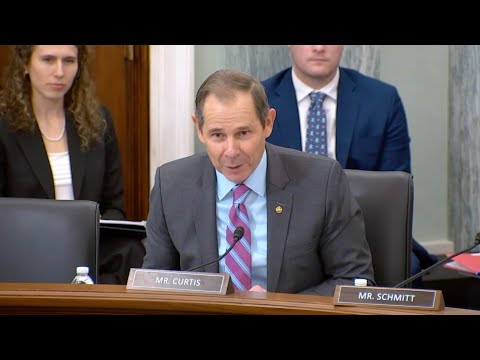
A senator asked a witness identified in the transcript as "Mister Kratios" how the Office of Science and Technology Policy would use its seat on the president—s National Energy Dominance Council to advance new energy technologies.
Kratios said OSTP—s primary mission on the council would be to provide scientific and technological advice to other council members and to advocate for emerging technologies. He cited "small modular reactors" as an example and said that, if confirmed, he would build a team to support those efforts.
The senator next asked about national security implications if China led emerging technologies and how the witness would advise the president to maintain U.S. leadership. Kratios said the United States must prioritize leadership across the full innovation pipeline and emphasized not only discovery but the ability to execute and field technologies. He specifically mentioned applying "large language models" to Department of Defense and intelligence community missions so those tools support the warfighter.
Kratios framed the response as an implementation challenge: maintaining leadership in areas such as artificial intelligence and ensuring federal agencies can adopt and use technologies developed in the private sector and academia. The transcript records no policy commitments or detailed programmatic plans; Kratios spoke in aspirational and operational terms about priorities if confirmed.