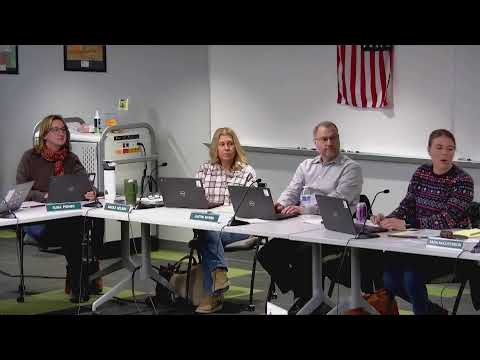
Superintendent explains why school property taxes rose: state revenue limits, not local referendum spending
Loading...
Summary
Superintendent told the board that statewide revenue-limit increases without matching state aid shifted costs to local taxpayers; the district’s referendum is capital-only and the district reported meeting financial policy targets and a clean audit lane.
In the superintendent’s update the district explained why many local property tax bills rose this year: the state increased per-pupil revenue limits but did not increase general school aid at the same level, shifting the funding burden to local property taxpayers. The superintendent said this dynamic — not unrestricted district spending — explains much of the increase affecting districts across Wisconsin.
The superintendent described the district’s fiscal standing: the auditors completed an audit and the district reported meeting fund-balance policy expectations and achieving a balanced budget in the prior year. The district also acknowledged components such as lottery credit changes and variations in fair market property values altered individual tax bills.
Board members asked clarifying questions about the district’s capital referendum (not operating), how voucher funding flows through state aid, and options for increasing transparency on tax bills (for example, line items showing voucher amounts). The superintendent said some municipalities have placed such lines on bills and the district can pursue coordination with local taxing entities for increased clarity.
The report included donor acknowledgements (TJ Music Boosters donated classroom equipment valued at $796; an anonymous $300 donation to the elementary) and reminded the community of winter break dates and upcoming filing deadlines for board candidacy (Dec. 26 at 5 p.m. in transcript).