
PUC schedules Dec. 18–19 technical workshop on utility’s 2021 near-term procurement; parties press for longer questioning and transmission expertise
Get AI-powered insights, summaries, and transcripts
Subscribe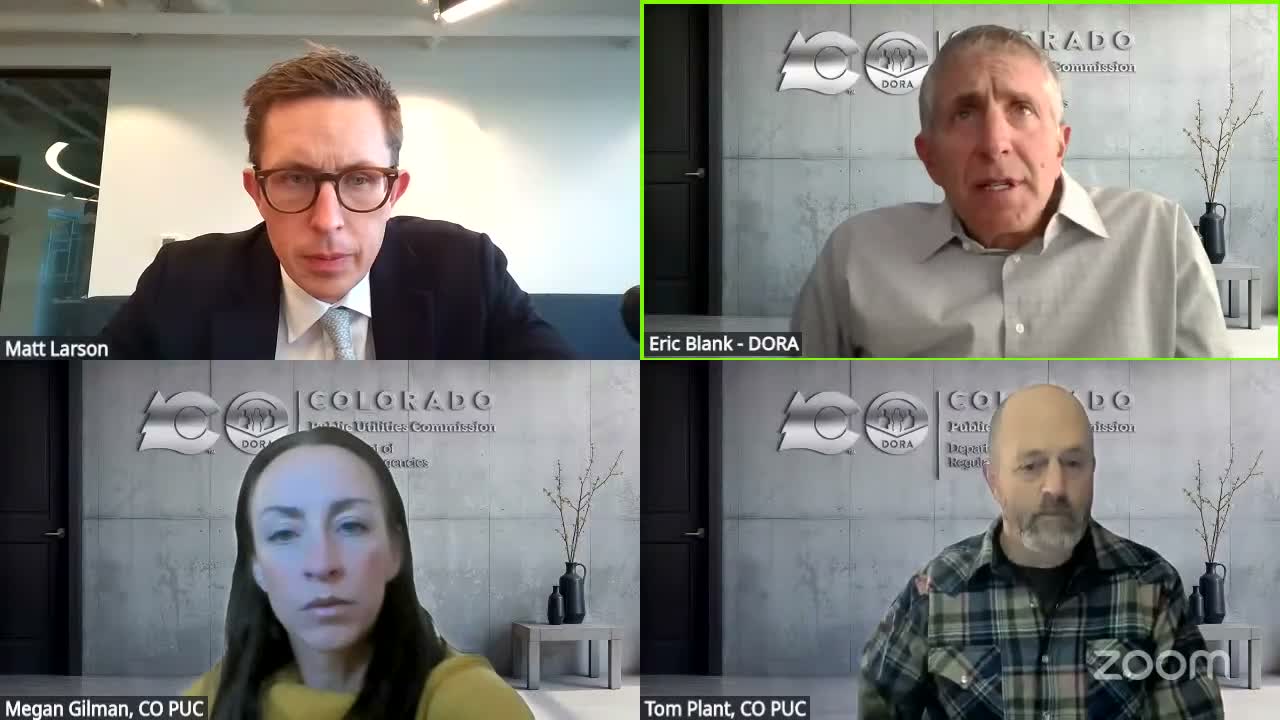
Summary
The Public Utilities Commission set the format for a remote, interactive technical workshop on the company’s 2021 near-term procurement portfolio for Dec. 18–19 and set a Jan. 12, 2026 deadline for responsive comments. Parties sought longer questioning slots, advance written questions and clearer handling for confidential material and transmission expertise.
The Public Utilities Commission on Dec. 12 set procedure and logistics for a remote, interactive technical workshop on the company’s 2021 near-term procurement (NTP) and clean energy plan, to be held Thursday and Friday, Dec. 18–19, and said comments responsive to the workshop are due Jan. 12, 2026.
Commission chair Eric Blank opened the status conference in docket 21 0 4 1 e and said the goal of the session was to finalize how the workshop would run. Blank said the commission expects a panel presentation from the company followed by questioning by commissioners and parties, and he asked the company and intervenors to refine remaining process details in advance of the workshop.
Matt Larson, counsel for Public Service, proposed a four-phase structure: a 15-minute company overview of the proposed NTP portfolio; commissioner questioning Thursday morning; party questioning in reserved 15-minute signup blocks Thursday afternoon and part of Friday morning; and a final period on Friday for commissioners’ highly confidential questions. Larson said parties could sign up for additional blocks if time remained and that parties could send questions to the company in advance, but the company would not provide written answers before the hearing.
Michelle Singer Nelson, representing the Office of the Utility Consumer Advocate, said 15 minutes per party was “a very short period of time” and requested up to 30 minutes for questioning as well as the option to file written questions ahead of the conference to shorten oral exchanges. Intervenors from the Colorado Independent Energy Association and others pressed for flexibility so parties could sign up for more than one block or share unused time.
Parties and staff also asked how the workshop would handle confidential and highly confidential portions of the company’s near-term procurement materials. Trial staff noted certain MTP sections are confidential; Larson proposed scheduling highly confidential questioning into a reserved phase 4 (the remainder of Friday) and designated confidential blocks during party questioning, and asked parties to indicate in advance how much of their allotted time would be confidential.
Commissioners identified three substantive areas they expect to probe at the workshop: how projects will qualify for federal tax credits and what the company’s qualification strategy is for major projects; transmission issues and what, if anything, has changed since earlier JTS hearings; and resource adequacy, including PPA negotiation approach and due diligence. The company named the staff it expects to make available for the panel: Michael Pascucci (regulatory policy), John Landrum (resource planning), Anthony D'Agostino (planning analyst) and John Bornhoffen (purchase power), and Larson offered to file the slides used to present the proposed process and to describe which witnesses would address which sections.
Commission counsel asked the parties to provide a sign-up matrix for party questioning by noon on Tuesday so legal assistants and staff can plan confidential sessions; commissioners and the company agreed to work toward a targeted filing date and to resolve outstanding disagreements ahead of the workshop. The chair said parties’ responsive comments are due Jan. 12, 2026.
The commission adjourned after the parties agreed to the remaining procedural steps and to follow up as needed before next week’s interactive technical workshop.