Lifetime Citizen Portal Access — AI Briefings, Alerts & Unlimited Follows
Negotiators press Department on 'professional student' definition and program list
Loading...
Summary
Negotiators raised concerns the Department's proposed definition of 'professional student' is a static snapshot of older regulatory text and omits programs (engineering, business, education); Department said the list reflects 34 CFR 668.2 as of enactment and any additions would require separate notice-and-comment rulemaking.
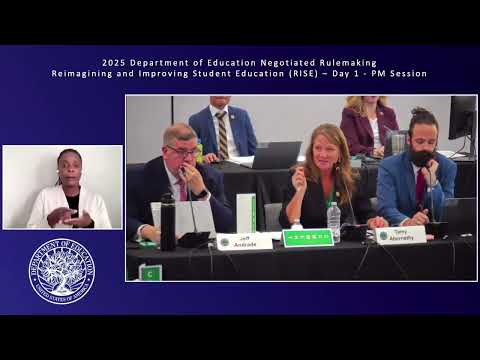
Negotiators at the Department of Education’s Sept. 30 session pressed staff over how the proposed regulations define "professional student" and which degree programs will be eligible for the higher loan limits reserved for professional degrees.
Jacob, a Department staff member, said the Department used the definition that existed in 34 CFR 668.2 at the time of enactment and intends the new rule language to be treated as an exhaustive snapshot: "The language that we're including here, is written to be exhaustive," he said, adding that any expansion would require notice-and-comment rulemaking. Jeff (Department staff) and Tammy reiterated that the Department intended a narrow definition consistent with the statute and that changes to add programs would not be done subregulatorily.
Several negotiators, including Bennett and Andy, argued the snapshot omits important programs that states and employers consider professional for workforce purposes; Bennett said the list is "out of date" and warned it could hamper state workforce development. Alex Holt, a taxpayer advocate, asked about safeguards to prevent future administrations from expanding the list subregulatorily; Department counsel said the text requires notice-and-comment rulemaking to change the list.
Why it matters: The designation of a degree program as "professional" determines which annual and aggregate loan limits apply. Whether programs such as clinical psychology, engineering, business or education are included or excluded could materially change the borrowing capacity of students in those fields and affect state workforce pipelines.
Next steps: Staff invited negotiators to submit suggested regulatory language or comments in writing and signaled the Department would consider separate negotiated rulemaking if stakeholders seek additions to the professional list.