
Superintendent outlines FY27 priorities as division charts modest gains and persistent achievement gaps
Get AI-powered insights, summaries, and transcripts
Subscribe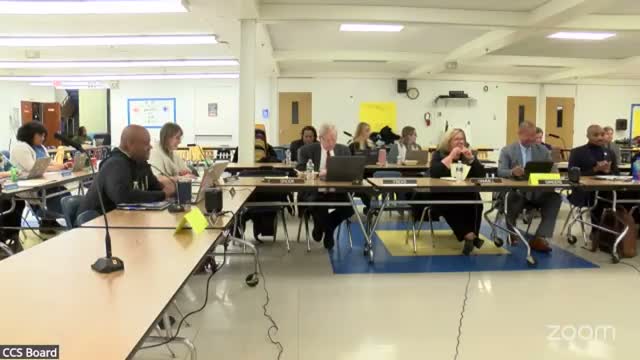
Summary
Superintendent Dr. Gurley presented a needs‑based FY27 framework prioritizing compensation, student supports, facilities maintenance and early childhood; staff reported a $91.9M salaries-and-benefits baseline and identified a projected $4.7M compensation increase tied to collective bargaining. Presenters stressed persistent achievement gaps and new state accountability changes.
Superintendent Dr. Gurley presented a preliminary FY27 needs‑based budget framework to the joint Charlottesville City Schools–City Council work session, saying it is grounded in strategic‑plan priorities and stakeholder feedback.
Dr. Gurley listed four fiscal priorities: compensation and retention; student support, achievement and well‑being; facilities maintenance and capital improvements; and early childhood education. On staffing and pay, the presentation said salaries and benefits total $91.9 million — about 74% of the division’s budget — and staff estimated roughly $4.7 million in increased compensation tied to collective bargaining and anticipated additions for instructional assistants and other support roles.
On student demographics and program counts, presenters said the division serves 557 students with disabilities (excluding privately placed students). For English learners, the division reported 924 in the VDOE‑facing count this year because the presentation included formally exited students as part of the reported need; Dr. Gurley explained the change was intended to show the broader population that still requires supports even after program exit. Dr. Gurley also noted a net enrollment decline of about 86 students over the last two years and that 95 students were identified as unhoused under McKinney‑Vento reporting.
The session reviewed new state accountability rules and test changes. Dr. Gurley said the state’s new point‑based system requires 80 points to be considered "on track," and that recent changes to assessments increased rigor — a timing complication because the division received results in December rather than summer. The presentation showed Charlottesville’s raw pass rates at roughly 67% for both reading and math versus state averages near the low‑to‑mid 70s; presenters emphasized that subgroup performance — particularly for Black and economically disadvantaged students — drove category placements under the new system.
Dr. Gurley described operational steps taken to address gaps: refining systems for identifying students who need intervention, clearer expectations for how practitioners respond to needs, more prescriptive school success meetings, and targeted professional learning for principals and teachers. He stressed that the division will continue reallocating internal resources and is preparing to review budget requests submitted by staff ahead of a January 22 work session and the forthcoming VDOE cap tool release.
The presentation did not finalize budget allocations; staff called the summary preliminary and asked board and council members to return for additional sessions as revenues and the cap tool data become available.