Council workshop prioritizes manure, code enforcement and SB 180 review; residents press permit and FDA concerns
Loading...
Summary
In a wide-ranging workshop councilors placed manure/vegetative debris and code enforcement among top priorities, instructed staff to create lists/definitions of long‑standing problem properties, and scheduled SB 180 review ahead of a January Tallahassee meeting; residents raised permitting, FDA (flood/drainage) and RV enforcement complaints.
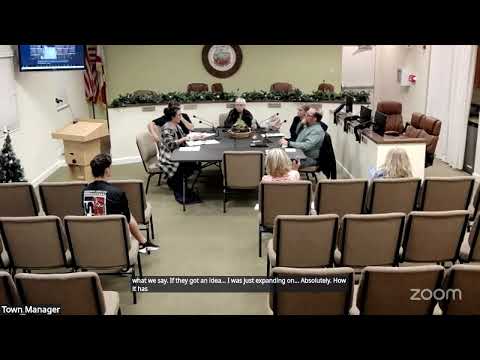
During a December 16 workshop session the Town of Loxahatchee Groves council set near‑term priorities and heard sustained public comment about permitting, code enforcement and drainage rules.
The mayor placed "management of manure and vegetative debris" at the top of the master priority list, citing visible piles that staff and residents have repeatedly reported. Council members said the town needs a clear definition of "long‑standing problem properties" and an inventory of the worst sites so enforcement resources can be deployed systematically.
Code enforcement was repeatedly flagged as the town’s operational pressure point. Residents described inconsistent prior enforcement, long delays and confusing requirements for site permits and FEMA/FDA flood/drainage coordination. One resident said the town’s tree mitigation rules for parcels under 10 acres are more onerous than Palm Beach County’s and offered to submit suggested changes.
The workshop included a lengthy discussion of RVs, caretakers and trailer use on large parcels. Some councilors proposed seasonal (equestrian‑season) limits, improved registration and tenant screening to prevent unregulated year‑round rental uses. Staff noted enforcement is complaint‑driven in many cases and asked for clearer direction and data on NOVs (notices of violation), compliance rates and the number of problematic properties.
Council also elevated a review of SB 180 — a state bill affecting local home‑rule powers — to the top of the January agenda so the mayor can present council‑endorsed talking points when meeting with Tallahassee officials in mid‑January. Committees and FACT (finance advisory committee) meeting cadence, procurement transparency and improved public communication (better online case tracking and text updates for complainants) were also discussed and directed for follow up.
Staff will return with requested documents: (1) a prioritized list and definitions for long‑standing problem properties, (2) a report on code‑enforcement NOVs and compliance since January 1, (3) procurement/contract options and caps, and (4) draft language or process improvements for permitting and FDA coordination.