Get Full Government Meeting Transcripts, Videos, & Alerts Forever!
Get email alerts on the Zoning And Planning topic
No spam. Unsubscribe anytime.
Pleasanton council updates zoning rules to speed small projects, keeps broader notice for major items
Summary
The council approved amendments to the municipal code to streamline design review, shorten appeal windows and codify on‑site project notices while preserving broader 1,000‑foot mailed notice for most hearings; council carved out a 300‑foot radius for administrative design reviews.
Pleasanton — The City Council on Dec. 2 approved revisions to the city’s zoning and planning procedures intended to shorten review times for minor projects and free planning staff to focus on larger developments.
Staff presented a package of changes to Title 18 of the Pleasanton Municipal Code that would narrow which projects require discretionary design review, codify on‑site project notifications, align mailed notice radii with state government code and shorten some appeal windows. After public comment and council questions, the council adopted an amended ordinance that retains a 1,000‑foot notice radius for most hearing items but applies a 300‑foot radius to administrative design review notices and moves appeals to a 10‑day window supported by a weekly online memo of discretionary approvals.
Why it matters: City planners said the changes would reduce unnecessary delay and staff time for small, objectively low‑impact projects — for example, single‑story additions under 15 feet or minor sign refacing — while preserving review for projects that materially affect neighbors. In a staff example using an address on Old Bernal, a 300‑foot mailed notice produced 123 recipients versus 1,073 recipients under a 1,000‑foot radius; staff said postage for one hearing would fall from about $650 to roughly $75 in that example.
What was proposed: The amendments include (staff summary): a narrower set of triggers for design review so routine, low‑impact work can proceed through building permits; findings and clarified procedures for design review when it is required; reduction of standard mailed notice radii to the government‑code baseline for many items but continuing notice to tenants as well as owners; codifying an on‑site notification requirement for projects that add units or require hearings; and a switch from a council‑call‑up system to a weekly published discretionary approvals memo with a 10‑day window for appeals and call‑ups.
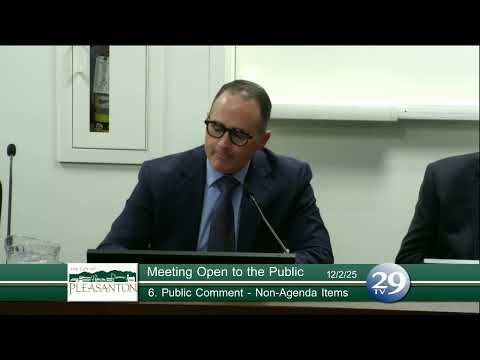
Public response and debate: The chamber of commerce urged the council to adopt the package as a signal that Pleasanton is “open for business.” Several residents, including students, told councilmembers that streamlining could speed repairs and home projects. Some members expressed concern that reducing mailed notice would leave residents unaware of nearby changes; Councilmember Testa said she could not support the reduced neighborhood notification and asked that the noticing element be modified. Council ultimately accepted a friendly amendment that keeps the 1,000‑foot notice for most hearings while applying 300 feet to administrative design review.
Staff and commission input: Planning staff said the Planning Commission and the Economic Vitality Committee had reviewed and recommended the changes; staff also emphasized that objective standards and building‑code requirements would still be enforced even if a project were exempted from design review.
Vote and next steps: The amended motion to introduce the ordinance and implement the changes passed unanimously. Staff said the amendments would take effect in early 2026 and that implementation steps would include internal process changes, community outreach with business groups and creation of graphics and flowcharts explaining the new process.
Implementation notes: Staff estimated that single‑family design‑review workload could drop to about 5% of an FTE, and commercial/multifamily processing by roughly half, freeing resources for higher‑impact projects. The council directed staff to proceed with outreach and to return as needed for final ordinance adoption and implementation details.