Residents and practitioners press Saint Helena to revisit density calculations, design standards and water neutrality
Loading...
Summary
Public commenters used recent multifamily projects (notably Spring Grove) to argue the 2023 zoning code produces outcomes the community did not intend; speakers asked the commission to clarify density calculations, require discretionary review for large/sensitive projects, strengthen density‑bonus findings, modernize water neutrality rules and reassess architectural design standards.
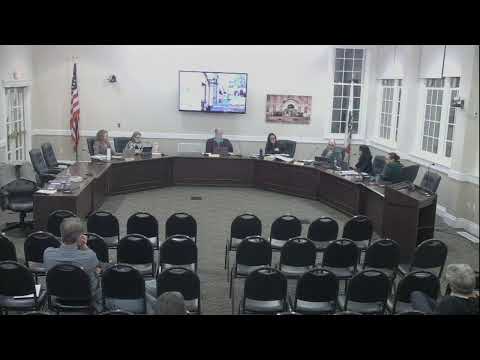
Several speakers at the Planning Commission’s Dec. 16 special meeting urged the city to revisit how the zoning code handles residential density, design review and water neutrality.
A resident identified in the record as Mr. Leong said the Spring Grove project — now before the City Council — complied with the city’s adopted standards yet resulted in a scale the resident called inconsistent with neighborhood character. He argued the city calculated residential density using gross acreage (including creeks, required setbacks and other unbuildable land), which inflated the unit count, and urged the code be revised to use net developable acreage. He also suggested clarifying that density ranges are permissive rather than mandatory, requiring discretionary design review for larger or environmentally sensitive projects, tightening findings required to grant density bonus waivers, and updating the city’s 15‑year water neutrality ordinance; he recommended a moratorium on high‑density approvals until the city modernizes that rule.
Architects and design professionals echoed concerns about implementation. David Crimmins pointed to a specific inconsistency in MR zone setback rules that can incentivize continuous two‑story walls on street sides and asked for a modest second‑floor step‑back to reduce massing. Charles Veil, who participated in the code update process, objected to embedding detailed architectural standards into the zoning code (arguing those began as nonbinding guidelines) and asked the commission to limit binding objective standards to planning elements rather than architectural expression.
Commissioner Covell raised process and statutory questions and proposed scheduling the municipal code and general plan for the annual review required by the zoning code. He also flagged potential conflicts between the new code language and state law (he referenced SB 330 in relation to restrictions that could reduce allowable height, floor‑area ratio or density) and discussed how accessory dwelling units (ADUs) are counted toward affordable housing obligations, noting the code currently treats some ADU vs. affordable unit accounting differently.
Staff and commissioners said these are appropriate topics for further study. Miss DeRosa noted that affordable housing outcomes for projects subject to the code are implemented through negotiated affordable housing agreements presented to City Council at the time of project approvals, and she said the redline matrix includes items staff prepared for possible revision. The commission did not take policy action at the workshop; staff will compile submitted and oral comments and return with recommended edits for the commission and council to consider.
If the commission pursues substantive code changes on density calculation, discretionary thresholds, or water neutrality, those changes would need staff analysis, legal review, and council approval before they alter project review outcomes.