
Residents ask about lead and smart-meter apps; water department offers on-site testing and a 2026–2027 app timeline
Get AI-powered insights, summaries, and transcripts
Subscribe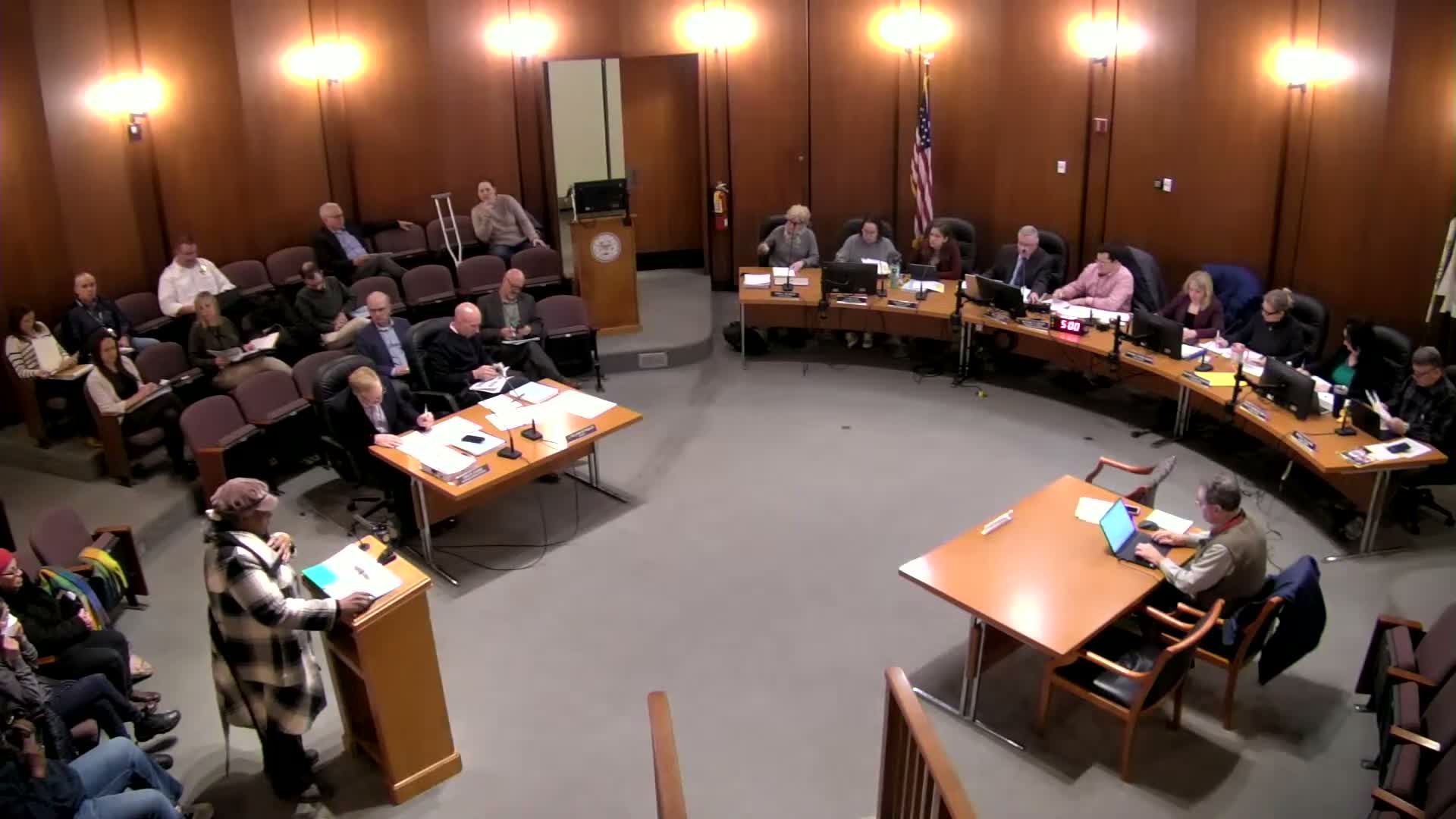
Summary
A resident raised concerns about lead in drinking water and dialysis patients’ vulnerability; the water director said customers can request in-home lead testing and that the city is vetting consumer-facing meters/apps with a possible rollout between 2026 and 2027.
Angela Mitchell, a dialysis patient, raised lead-in-water concerns and asked how the city would protect people with conditions such as end-stage renal disease. "I got a notice in the mail about the water, about lead being in the water, and I'm concerned about how would it affect someone that is on dialysis," she told council during public comment.
Council members asked administration whether customers with urgent health concerns can receive expedited testing. A water department representative (speaker 18) replied: "We all always offer specific lead testing for any customer who asks. They can come out and do a lead test on their water in their home," and said the option was included in the mailed notice. The representative also said city lead levels are "very low, close to 0," attributing that to corrosion inhibitor treatment in the distribution system.
Separately, residents urged the city to adopt consumer-facing smart-meter apps that show near-real-time usage and detect leaks. Marco Weber highlighted apps such as ION Water, AquaHawk and WaterSmart and said other cities — large and small — provide free download options after smart-meter installations.
Water bureau staff said the city is vetting multiple platforms for both consumption monitoring and improved bill-pay capabilities. The director explained there are two goals: give customers monitoring tools and expand bill-pay/online services (paperless billing, ACH, debit). The timeline discussed on the floor estimated an app or set of compatible services "as early as next year or maybe as late as 2027," pending IT integration, contracts and compatibility with the utility billing system.
Council also approved water-related capital and enterprise budgets (Bill 53-2025 among others) as part of the broader 2026 package.
What’s next: water department staff said customers can request in-home lead testing and that administration will continue vetting meter and billing technologies with updates expected as procurement and IT work proceed.