Respondent: For refugees, 'home' means security and the ability to return
December 22, 2025 | United Nations
This article was created by AI summarizing key points discussed. AI makes mistakes, so for full details and context, please refer to the video of the full meeting. Please report any errors so we can fix them. Report an error »
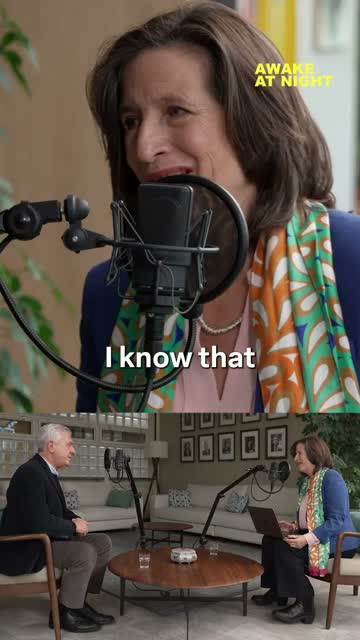
An interviewer asked an unnamed respondent (S2) what refugees most often mean by "home." S2 replied that home has two main senses for people who flee: the tangible world of house, family, friends, work and school, and the overarching condition of security.
S2 said returning to one's original home remains the preference when possible, citing Syria and "like 25 years ago in Afghanistan" as contexts where return can occur. "This is what most refugees want," S2 said.
S2 also addressed a common political claim about migration, calling it rhetorical rather than factual: "There is a myth that all refugees want to go to the rich countries to take jobs from others. This is the rhetoric of the bad politicians," S2 said, adding that "the overwhelming majority of the refugees goes very near their country because they want to be able to go back as soon as they can." The respondent framed proximity to home as a practical choice to preserve the chance of return.
When return is not possible, S2 described resettlement as the process by which people "make home somewhere else" and host countries help them integrate. On the core meaning of home, S2 said it is "first and foremost security — the absence of fear," noting refugees fled threats such as "bombs, of torture, of prison, of discrimination." S2 reported many refugees' reaction to reaching safety as, "I feel secure here. And that's the most important for me."
S2 also listed practical needs that follow once basic safety is secured: finding employment, enrolling children in school and obtaining financial support or allowances. "These are all practical things. But first and foremost, home is security," S2 said.
The exchange focused on lived priorities voiced by refugees in conversation with the respondent and did not include policy proposals, named officials, or formal actions.
S2 said returning to one's original home remains the preference when possible, citing Syria and "like 25 years ago in Afghanistan" as contexts where return can occur. "This is what most refugees want," S2 said.
S2 also addressed a common political claim about migration, calling it rhetorical rather than factual: "There is a myth that all refugees want to go to the rich countries to take jobs from others. This is the rhetoric of the bad politicians," S2 said, adding that "the overwhelming majority of the refugees goes very near their country because they want to be able to go back as soon as they can." The respondent framed proximity to home as a practical choice to preserve the chance of return.
When return is not possible, S2 described resettlement as the process by which people "make home somewhere else" and host countries help them integrate. On the core meaning of home, S2 said it is "first and foremost security — the absence of fear," noting refugees fled threats such as "bombs, of torture, of prison, of discrimination." S2 reported many refugees' reaction to reaching safety as, "I feel secure here. And that's the most important for me."
S2 also listed practical needs that follow once basic safety is secured: finding employment, enrolling children in school and obtaining financial support or allowances. "These are all practical things. But first and foremost, home is security," S2 said.
The exchange focused on lived priorities voiced by refugees in conversation with the respondent and did not include policy proposals, named officials, or formal actions.
View the Full Meeting & All Its Details
This article offers just a summary. Unlock complete video, transcripts, and insights as a Founder Member.
✓
Watch full, unedited meeting videos
✓
Search every word spoken in unlimited transcripts
✓
AI summaries & real-time alerts (all government levels)
✓
Permanent access to expanding government content
30-day money-back guarantee
