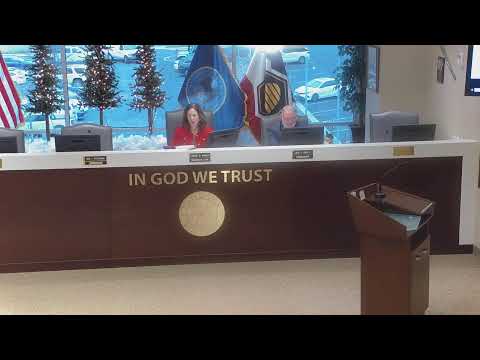
Layton urges stronger animal-control focus; chair explains county limits
Loading...
Summary
A Layton resident told the Davis County Commission animal services appears to be shifting toward subsidized veterinary care and raised concerns about raccoons and loose dogs; Chair Lorraine Kamalu explained statutory limits, county-city arrangements, and what services the county-provided veterinarians are required to perform.
DREW CHAMBERLAIN LAYTON, a Layton resident, told the Davis County Commission on Dec. 23 that Animal Services appears to be shifting from traditional animal control toward what he called a "taxpayer subsidized veterinary clinic," and he urged the commission to restore a stronger animal-control focus.
"Animal services is now becoming a taxpayer subsidized veterinary clinic," Layton said during the public-comment period, and he described nightly raccoon activity near his home, repeated messes he has had to clean, and neighborhood dogs that he said harass elementary-school children. He said an animal-control officer took three days to respond to one complaint.
Chair Lorraine Kamalu responded that animal services operate under state law and, in Davis County, the service model has long involved cities participating with a county-operated facility located on county property. "Animal services is required by law and it is typically a city responsibility," Kamalu said, adding the county has contracts for veterinary services that cover legally required care such as spay/neuter procedures. She said those veterinarian contracts are limited to services the law requires and that low-cost public veterinary clinics for privately owned animals are not provided at the county facility.
Kamalu acknowledged capacity issues at the existing county facility and encouraged residents to visit the site to understand operational constraints. She said volunteer support has been essential and that staffing shortfalls shaped prior decisions not to expand services beyond legally required care.
The exchange did not result in any new directive or vote. Commissioners did not announce a change to the Animal Services model during the meeting; Kamalu characterized the current structure as a city–county partnership with county property used for the facility and noted past discussions about staffing and service scope.
What’s next: No formal action was taken. Commissioners suggested residents and city leaders continue to engage with staff, and Kamalu encouraged observers to inspect the facility to see constraints and volunteer efforts firsthand.