
Santa Clara council accepts FY24–25 closeout showing $41.3M surplus; debate over $20.35M civic center reserve draws public comment
Get AI-powered insights, summaries, and transcripts
Subscribe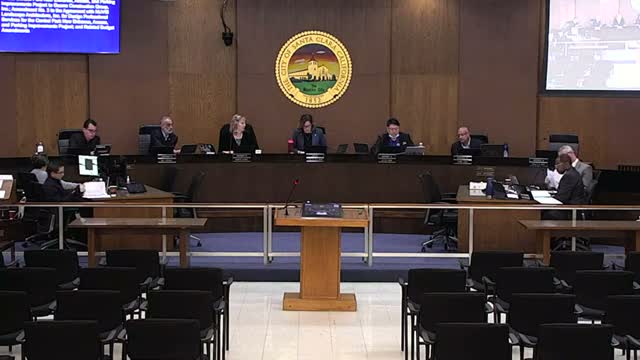
Summary
Finance staff reported a $41.3 million general‑fund surplus driven by sales tax and other one‑time gains and recommended allocations including $20.35M for civic center campus future needs; public speakers and several council members urged more transparency about any plans to relocate city hall and about possible land sales before funds are earmarked.
Finance Director Ken Lee told the council the City of Santa Clara ended fiscal year 24–25 with approximately $41.3 million in excess general fund resources driven by higher‑than‑expected sales tax receipts, transient occupancy taxes and interest earnings, plus departmental vacancy savings.
“As a result of our closeout, we ended the year in a better position,” Ken Lee said, summarizing a technical reconciliation across nearly 70 funds and describing the sources of the surplus. Lee flagged sales tax performance as an anomaly for the region — noting strong year‑over‑year cash growth and a mix of one‑time business‑to‑business purchases and internet sales — and said staff is treating much of the surplus as one‑time funding.
Staff recommended a multi‑part distribution of the $41.3 million consistent with council policy: about $20.35 million to a civic center campus future needs/relocation reserve, $13 million to the capital projects reserve, $4.6 million to a pension stabilization reserve, $1 million for furniture/fixtures/equipment related to bond projects and additional carryovers and technical cleanups. The package also included four small appropriations addressing overexpenditures in specific funds and technical year‑end adjustments.
Two members of the public called during the item and urged caution on the $20.35 million recommendation. A caller identified as Mary said the transfer would “move the city toward major decisions about city hall and downtown without clear council policy direction,” and asked the council to pause and require public presentations of alternatives before committing funds. Another caller representing “Reclaiming Our Downtown” said civic center acreage should be used to restore downtown and asked staff for transparency about any planned sales of city land.
City Manager Jovan Grogan and Finance Director Ken Lee defended the proposal as a prudent way to set aside one‑time funds for a large, known need regardless of where a future civic campus might be located. Grogan said the reserve is intended to ensure funds are available for civic center campus needs or improvements and is not a commitment to a specific site. "The recommendation is irrespective of location… it literally just says that we are setting aside these funds recognizing that it is a significant issue," Grogan said.
Council debate focused on framing and perception. Some members supported establishing a targeted reserve now so funds are available when needed; others said naming a reserve that includes the word “relocation” or associating the funds with land sales risks signaling a pre‑decision. Members suggested alternatives such as placing the dollars in a general capital reserve, the land sale reserve, or creating a neutrally named civic center campus reserve and committing to a robust public process before any expenditure. Staff noted the council can reallocate or rename reserves in the future and that all the options proposed are held in the general fund.
Councilmember Gonzales moved to note and file the year‑end report and approve the recommended budget amendments and transfers; the motion was seconded and passed 5–1. Several council members said they supported the overall closeout recommendations but asked staff to pursue additional public outreach and clear disclosures about options before drawing down the civic center‑related funds.