Get Full Government Meeting Transcripts, Videos, & Alerts Forever!
Get email alerts on the Levy Bond Authorization topic
No spam. Unsubscribe anytime.
Mahtomedi Board Certifies 2026 Levy and Authorizes Voter-Approved School Building Bonds; Board Directs Split Issuance
Summary
After a Truth in Taxation hearing, the Mahtomedi board certified the 2026 levy and approved a resolution authorizing the sale of voter-approved school building bonds. The board directed staff to pursue splitting the roughly $28 million authority into two issues to lower interest costs and improve flexibility.
The Mahtomedi Public School District board certified the property tax levy for taxes payable in 2026 and approved a resolution Dec. 15 authorizing the sale of voter-approved general obligation school building bonds, directing staff and advisors to pursue a two-part issuance.
At a Truth in Taxation hearing, a district presenter summarized levy categories, voter-approved measures from Nov. 4 (a $575-per-pupil operating referendum and a building bond), and levy deadlines. The presenter said the operating referendum is expected to raise about $2 million for the district and underscored planned capital work funded by the bond: HVAC upgrades, improved circulation and accessibility, performing arts acoustics, a larger weight room, middle school entry renovation and turf and lighting for Field 1.
The district compared tax-impact scenarios for typical homes. Using one chart, the presenter said a $500,000 residential property would see taxes at approximately $2,761 in 2026 under the proposed levy; other comparisons and county calculators produced slightly different figures depending on value inputs and price-appreciation assumptions. The presenter said the referendum reduced some levies and estimated roughly $97 in direct tax relief on a $500,000 home from the operating referendum.
Jody Zezba, senior municipal adviser at Ehlers, delivered a presale report on the bond authority approved by voters (discussed in the board materials at roughly $28 million). Zezba recommended splitting the authority into two issues — a first issue of about $14 million in early 2026 and the remainder in 2027 — estimating roughly $500,000 in interest-cost savings versus issuing the full amount at once. She reviewed a 20-year term, an eight-year call feature, rating considerations (state credit enhancement and an underlying AA- rating), projected sale and close dates (sale targeted Jan. 5; close Jan. 29), and tradeoffs including slightly higher issuance costs for two issues and lower capitalized interest under a split approach.
Board members debated timing and strategy. Director Matthew Bower argued for issuing the full authority now to avoid market-timing risk, while finance-committee members and the district’s advisers recommended splitting to reduce capitalized interest and preserve flexibility if project draws or market conditions change. Directors discussed delegating authority to award the sale if bids met parameters and whether to schedule bond-sale bids on Jan. 5 or later that week.
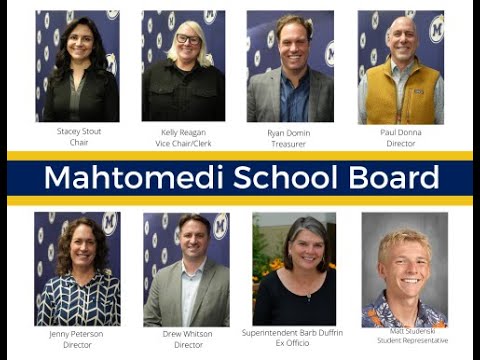
Director Doman moved (seconded by Director Whitson) to approve and certify the payable 2026 levy; the board approved by voice vote. Later, Director Ryan moved (seconded by Director Peterson) to approve the resolution stating the district’s intent to issue general obligation school building bonds, series 2026A, in the maximum aggregate principal amount authorized by voters; the motion carried by voice vote. Following discussion and the presentations, board direction favored splitting the issuance and scheduling the sale with delegated authority to accept bids that meet the board’s parameters.
Next procedural steps described by Ehlers included issuing the official statement, meeting with rating agencies and presenting bids for board ratification or approval by delegated staff/board member action in early January.