
Beaumont council censures two members after heated public hearing over charter breaches
Get AI-powered insights, summaries, and transcripts
Subscribe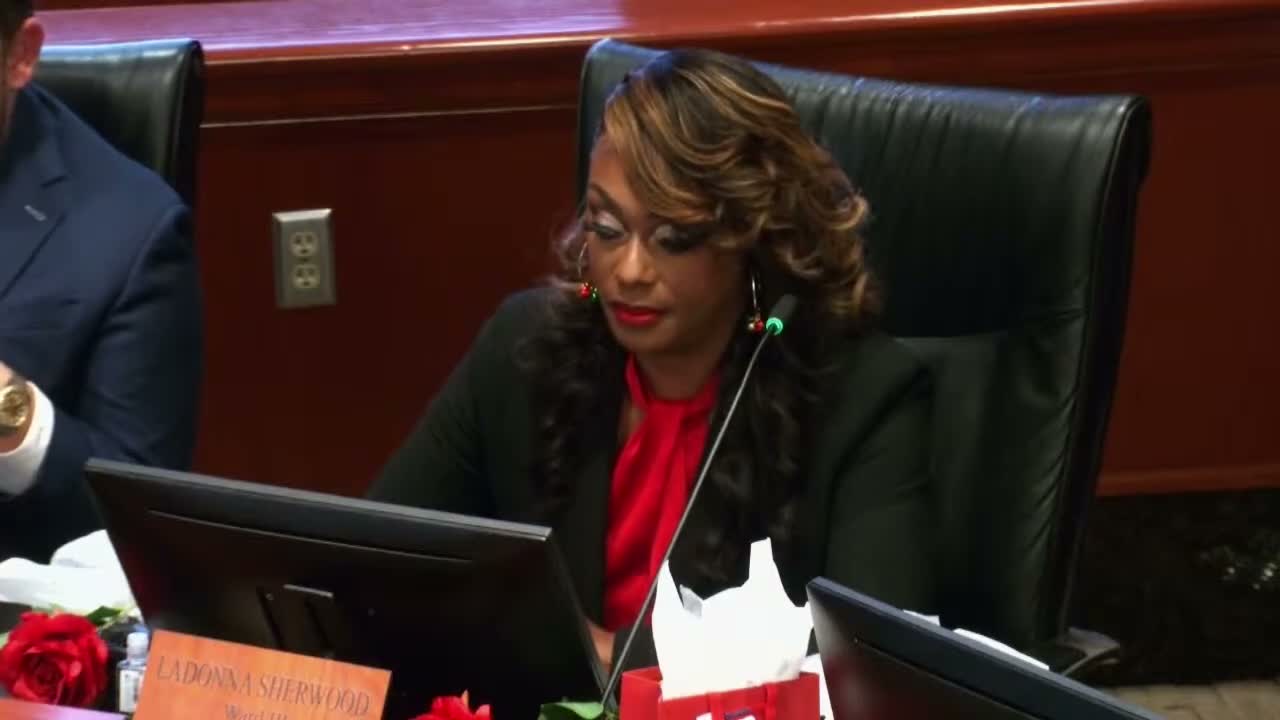
Summary
After hours of public comment and council debate, the Beaumont City Council voted to censure Councilmembers Michael Williams and Joseph Hilliard for conduct the city attorney concluded violated the city charter and rules on personnel communications; supporters and opponents gave lengthy statements during a public hearing that split residents and council alike.
The Beaumont City Council voted on Dec. 16 to censure Councilmember Michael Williams and Councilmember Joseph Hilliard following a public hearing and extended council debate over alleged violations of the city charter.
Supporters of the censure argued the council members had exceeded their authority by publicly calling for the resignation or removal of city employees — actions, they said, that should run through the city manager. "A council person cannot...pretend you are just one of the guys," resident Chris Jones said during public comment, urging the council to uphold the charter. Councilwoman Sherwood read the city attorney's opinion to the council, saying the attorney concluded the charter had been violated.
Those opposed described the matter as disagreement over performance and defended the right of elected officials to speak about department leadership. "Censure is an extraordinary action. It should be reserved for clear misconduct. Not for disagreement, criticism or dissent," Councilmember Michael Williams said in his remarks.
Council debate focused on two legal questions: whether the named council actions — public calls for the resignation of the fire chief and related communications — constituted a charter violation and whether state law gives individual council members any role when the council acts on appointed positions. Councilmember Crenshaw and others invoked the council–manager form of government and the city charter's allocation of personnel authority to the city manager; Councilmember Crenshaw said the charter "clearly outlines roles and responsibilities" that protect professional management.
The proceedings included a motion to table the censure until January that failed in at least one instance; ultimately the motions to censure were moved and passed in open session. The public record in the meeting transcript does not include a roll-call tally for either censure vote.
Residents who spoke at the hearing were split. Some urged action to protect the city from perceived interference in personnel matters and to reaffirm charter limits; others warned that public friction was distracting from urgent city needs such as services, public safety and economic development. "This is where our focus should be," resident Miguel Morales said, listing local priorities he wanted council attention to return to.
Mayor West closed the public hearing and the council moved forward with votes on the agenda. After the actions, councilmembers offered brief closing remarks and the meeting recessed into executive session.
Next steps: The council's formal actions on the censure are part of the public meeting record. The transcript shows the motions carried on voice votes; the meeting did not announce specific numerical tallies or any immediate personnel removals tied to the censure.