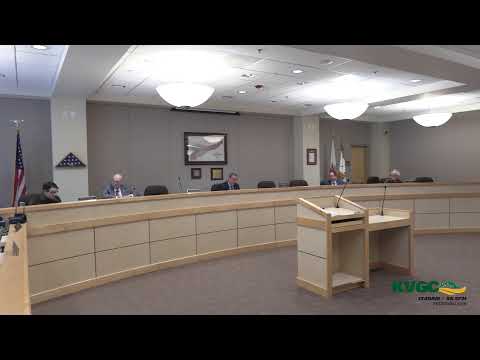
Supervisors direct staff to explore smaller rural parcel sizes and sprinkler alternatives amid affordability concerns
Loading...
Summary
Contractors and residents urged lowering limited-density residential parcel minimums (from 5 acres toward 1 acre or less) to boost housing affordability; board directed staff to research statutory findings and bring back code-amendment options, citing high costs of required residential fire sprinkler systems and water system upgrades.
Members of the public and local contractors pressed the Amador County Board of Supervisors to pursue code changes to the county’s limited-density residential dwelling (LDRD) rules to make housing more affordable.
TJ Hobbs, a local contractor, said mandatory residential multipurpose fire sprinkler systems and well/upgrades add tens of thousands of dollars to the cost of building on small rural parcels. "Average cost just to install a multipurpose system is $10,000," Hobbs said, and added that well and pump upgrades can push additional costs upward of $15,000 to $35,000 on some projects.
County counsel told the board that reducing minimum parcel sizes will require code amendments and adoption of findings that parcels meet the statutory definition of "rural," including consideration of population density and availability of utilities. Counsel also noted counties can define "rural" within statutory limits and staff should review how peer counties (Mariposa, others) have handled similar changes.
Supervisors discussed trade-offs among life-safety objectives, insurance and maintenance costs, and the goal of encouraging housing for younger families. The board directed staff to prepare alternatives and findings for potential code amendments and to return with comparative examples from other counties.
Board members asked staff to estimate the fiscal and infrastructure impacts, including water availability, well drilling impacts on neighbors, and potential mitigation tools (on-site tanks/reservoirs). The discussion did not change code that day; it produced a staff directive to develop options for future consideration.
Next steps: staff will research statutory requirements, compile examples from other counties, develop findings justifying any boundary/parcel-size change, and return to the board with alternatives.