Mehlville board reviews draft five‑year strategic plan after broad community input
Summary
Superintendent Dr. Jeff Hogg presented a draft 2026–2031 strategic plan developed with community input (just under 1,000 responses) and five themes — academics, student support, staffing, finance/facilities and community involvement — and asked the board for feedback ahead of a March 12 approval vote.
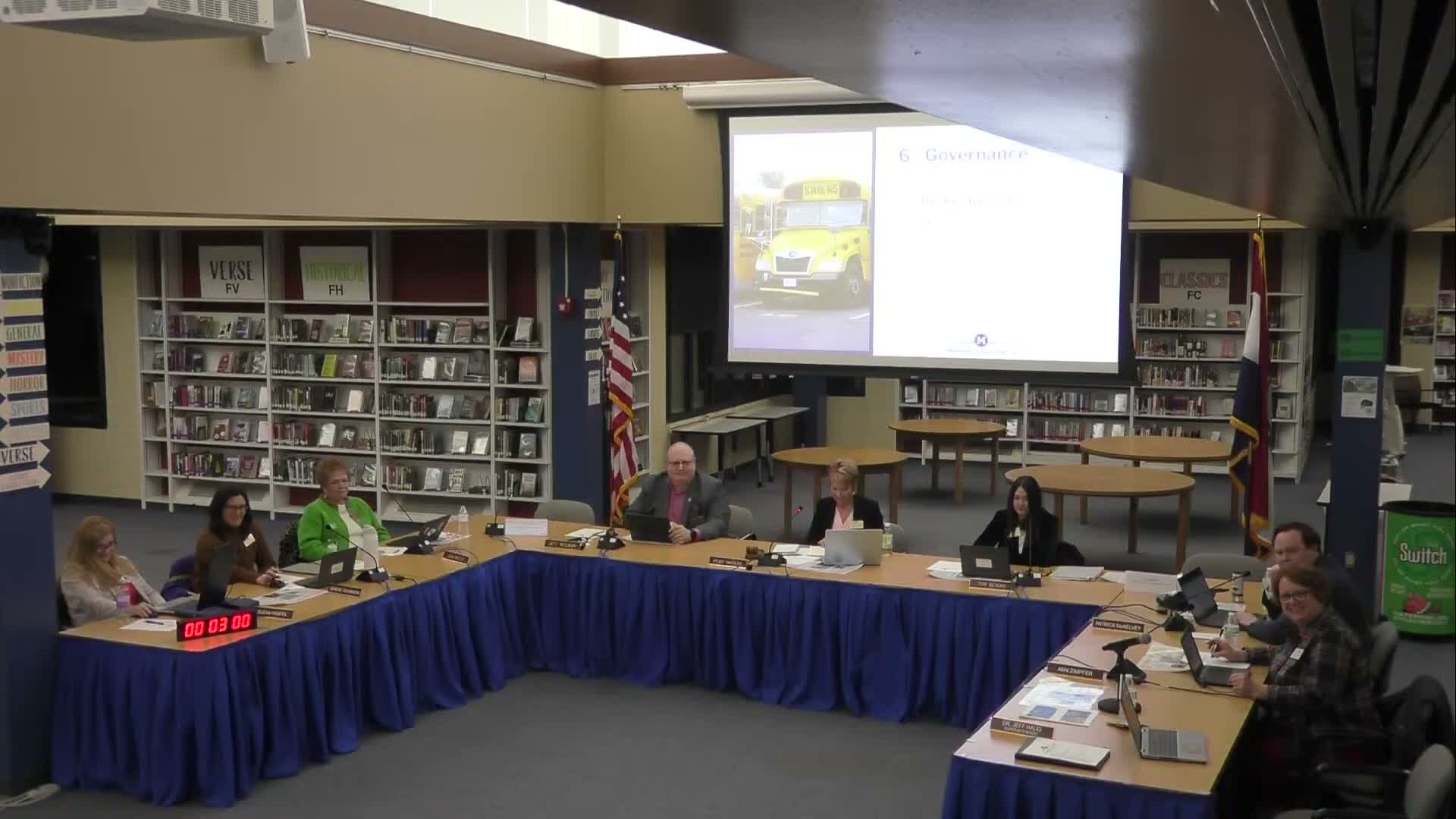
Dr. Jeff Hogg, superintendent of schools for Mehlville R‑IX, presented the district’s draft strategic plan for 2026–2031 at the Dec. 18 board meeting, saying it reflects a yearlong process of committee work and public input. "We had just under 1,000 people respond. We had 861 comments and we had 38,000 stars," Hogg said, describing the scale of community engagement on the online thought exchange.
The plan organizes district priorities into five themes — academics; student support; employee quality and staffing; finance, facilities and operations; and community involvement — and sets measurable goals and reporting timelines. Hogg described the document as a "roadmap for achieving short and long term goals" and told the board the draft will be revised with feedback and return for approval on March 12, with implementation starting in July 2026.
Board members praised the plan’s emphasis on equity, measurable indicators and early‑childhood opportunities. One director highlighted the plan’s link to MSIP indicators, saying tying the plan to state measures helps the board track its duties. Multiple members also noted the inclusion of specific strategies for smoothing transitions between elementary and middle grades and between middle and high school.
The draft ties budget planning to plan priorities: "This drives our budget," Hogg said, explaining that the community‑identified priorities will guide future allocations. The plan also proposes an annual reporting cadence: cabinet and district leaders will review six months after implementation and provide an annual update to the board beginning January 2027.
The board did not take a vote on the draft Tuesday; Hogg asked members to submit questions or written feedback and said the plan will be circulated again to the committee for final comment before the March presentation. The board members’ remarks at the meeting signaled broad support but left room for targeted edits and additional community review prior to the approval vote.