Santa Rosa council censures member after investigator finds harassment tied to a workplace relationship
Loading...
Summary
The Santa Rosa City Council voted to publicly censure Councilmember Diana McDonald after an independent investigator found she made unwelcome comments to staff related to a known consensual romantic relationship and attempted to influence an operational decision. Council also directed policy reviews and additional training.
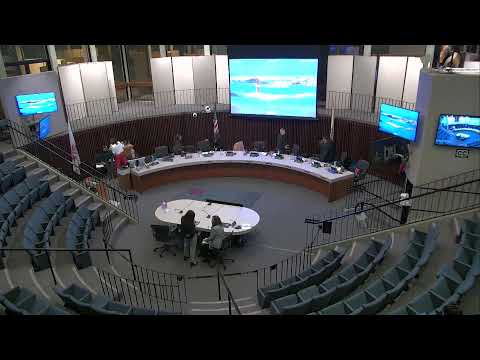
The Santa Rosa City Council on Dec. 10 publicly censured Councilmember Diana McDonald after an outside investigator found McDonald violated the city's anti-harassment policy by directing negative and offensive behavior toward city employees related to a publicly known consensual relationship with a city employee and attempting to influence an operational decision that the investigator concluded could benefit that partner.
Special counsel Jennica Maldonado summarized the investigator's findings to the council, saying the investigator “determined that council member McDonald first engaged in negative behavior towards city employees because of her consensual relationship,” and that McDonald “made unwelcome comments” and attempted to influence an operational decision. The city attorney's office said the investigator's report was provided to the city in November 2025 after a confidential investigation that began in July 2025.
Mayor Stapp said the council's actions aim to maintain trust with staff and the public and to preserve a respectful workplace. The first resolution the council adopted included a public censure, a directive urging McDonald to recommit to the city's code of conduct and anti-harassment policy, and instructions to the city manager to implement reasonable operational steps in response to the investigator's findings. The council also directed staff to return with recommended changes to the code of conduct and anti-harassment policy and required additional council training by March 2026.
McDonald, who participated in the first vote, addressed the council: “I want to sincerely apologize for any of my actions that made anyone feel uncomfortable, especially our city staff. For that, I am truly sorry,” she said, and pledged to participate in trainings and to work on improving operations and transparency.
After McDonald recused herself from the second portion, councilmembers considered and adopted a second resolution that would direct the city manager to schedule a study session exploring a possible policy addressing intimate relationships between council members and city employees and to take additional remedial steps recommended by the investigator. That second resolution passed 6–0 (McDonald recused).
Councilmembers emphasized that the council cannot remove an elected official but can impose corrective measures: public admonishment, policy changes, and training. Public comment during the item included both supporters of McDonald who praised her constituent work and others who said the city owed staff clear policies to avoid similar situations in the future. Several members of the public urged a careful study session on how other California cities address intimate relationships and workplace conduct.
The council also signaled it will return in January with proposed changes to committee assignments: Mayor Stapp said he would agendize removing McDonald from three committee seats pending the council's further action.
What happens next: The city manager will bring back proposed code and policy changes and a schedule for council-specific trainings by March 2026. The council instructed staff to prepare materials for a study session about a potential policy on intimate relationships between elected officials and employees.