
Green Bay residency board approves three offender residency requests after reviewing treatment status
Get AI-powered insights, summaries, and transcripts
Subscribe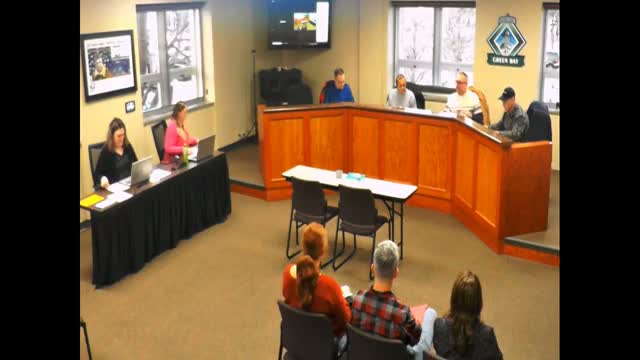
Summary
The Green Bay Offender Residency Board approved three residency requests after reviewing probation letters and treatment updates, voting to allow each appellant to reside at the listed addresses while reminding them to return if they move; the board scheduled its next meeting for Jan. 21, 2026.
The Green Bay Offender Residency Board on an evening meeting approved three residency appeals after reviewing probation and treatment information and hearing in-person statements from applicants and witnesses.
Board members unanimously approved an appeal for Israel Nazario Velez to reside at 2120 Harold Street, Apartment 7 after receiving a probation-agent letter that said he had not begun SOT programming and had been assessed “at a very low level,” with medical staff recommending SOT could be detrimental to his rehabilitation. The board noted that the Department of Corrections and supervising agent were considering enrollment in a “thinking-for-change” program instead. "We denied that address because we were not comfortable. You you didn't have any kind of treatment," a board member said during the discussion. After members said they would defer to the supervising agent's evaluation, the board moved and approved the residency; board members reminded Velez he must return to the board if he later changes addresses.
In a second appeal, the board approved Russell Canals to live at 426 South Jefferson after reviewing his record, recent home-confinement status and his account of past alcohol-related offenses and ongoing recovery efforts. Canals described years of alcohol dependence and remorse, saying, "Everything started with my drinking," and detailed recent contacts with treatment providers and family support. A lieutenant from the Green Bay Police Department confirmed the factual outline of Canals's case for the record. A friend, Jack Hanssen, told the board that staying involved in treatment and community supports reduced the risk of reoffending. The board approved the Jefferson address and reiterated the requirement that Canals notify the board if he moves.
The board also reviewed a 90-day follow-up for Dakota Van Bocken Frasian. Members read a letter from Be The Change Health and Wellness stating the appellant began outpatient sexual-offender therapy on Sept. 19, has attended weekly sessions without misses, and has shown motivation and early progress. Frasian told the board the treatment had been helpful. Based on the letter and the appellant's statements, the board approved continued residency at the previously approved address and reminded the appellant of reporting requirements if relocating.
There were no formal ordinances, statutes, or policy changes discussed during the meeting; actions taken were limited to approval motions on individual residency requests and routine agenda and minutes approvals. The board set its next meeting for Jan. 21, 2026, then adjourned.
Key quotes from the meeting included a board member's statement on treatment assessments—"it would be detrimental to his rehabilitation"—and applicants' remarks about recovery and treatment engagement. The board relied on written letters from supervising agents and treatment providers and on in-person confirmations by a police lieutenant in reaching its decisions.