Coalition urges Kalamazoo County to place childcare millage on the ballot as providers warn of imminent closures
Loading...
Summary
A coalition of early‑childhood providers and advocates told the county board the local childcare system is in crisis — especially for infants and toddlers — and urged commissioners to place a voter-funded children's millage on the ballot to create dedicated local funding and stabilize the workforce.
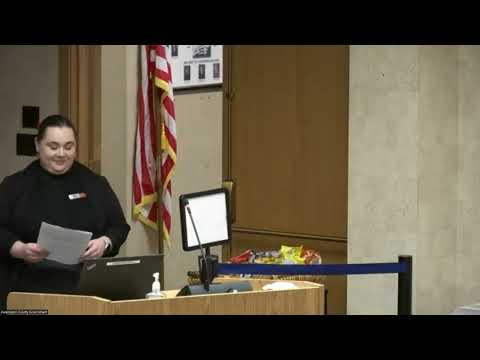
Speakers from the Kalamazoo Child Care Coalition and local providers urged the Kalamazoo County Board of Commissioners on Dec. 16 to put a countywide childcare millage before voters to shore up infant and toddler care and raise wages for early childhood educators. Jay Kyon, director of community engagement at Michigan Transformation Collective, said the coalition’s data show “90% of Kalamazoo County ZIP codes are child care deserts for infants and toddlers,” and described a gap of 12,718 children versus 2,703 available slots.
Representatives from YWCA Kalamazoo and the coalition said the challenge is acute for families earning just above state subsidy thresholds and for providers who can’t afford higher wages. “Child care is a shared responsibility,” Adrienne Zayah, director of public policy and advocacy at YWCA Kalamazoo, told commissioners, adding that classrooms for babies require lower staff-to-child ratios and cost substantially more per slot. Presenters outlined a proposed ballot language that would dedicate millage revenue to services for children ages 0–5 while leaving implementation details to county oversight and community input.
Commissioners pressed presenters on timing, ballot costs and governance. Vice Chair Taylor recommended deliberation on whether the county should seek placement on the May ballot, which would require the county to pay election costs, or wait for an August election paid for by the state; presenters said they were polling for May. A staff presenter estimated a half‑mill would raise roughly $4 million annually, a figure commissioners questioned as to sufficiency and tradeoffs with other county priorities.
Several commissioners urged additional work with county staff and community partners before committing to a ballot question, emphasizing clear commitments about how funds would be spent and success metrics. Vice Chair Taylor recommended additional outreach and modeling of spending plans so commissioners could explain how any proposed tax would be used. The board’s corporate counsel requested review of statutory requirements related to placing a millage on the ballot.
The presenters and coalition offered to continue working with commissioners on implementation, governance, and ballot language. If commissioners choose to place a question before voters, the final ballot language and timeline would be determined through the county's normal review process.
The board did not make a final decision on ballot placement at the Dec. 16 meeting; commissioners signaled both urgency and caution and asked administration and coalition partners to continue planning and community engagement.