
Council tables proposed changes to out‑of‑area ambulance transport policy for additional study
Get AI-powered insights, summaries, and transcripts
Subscribe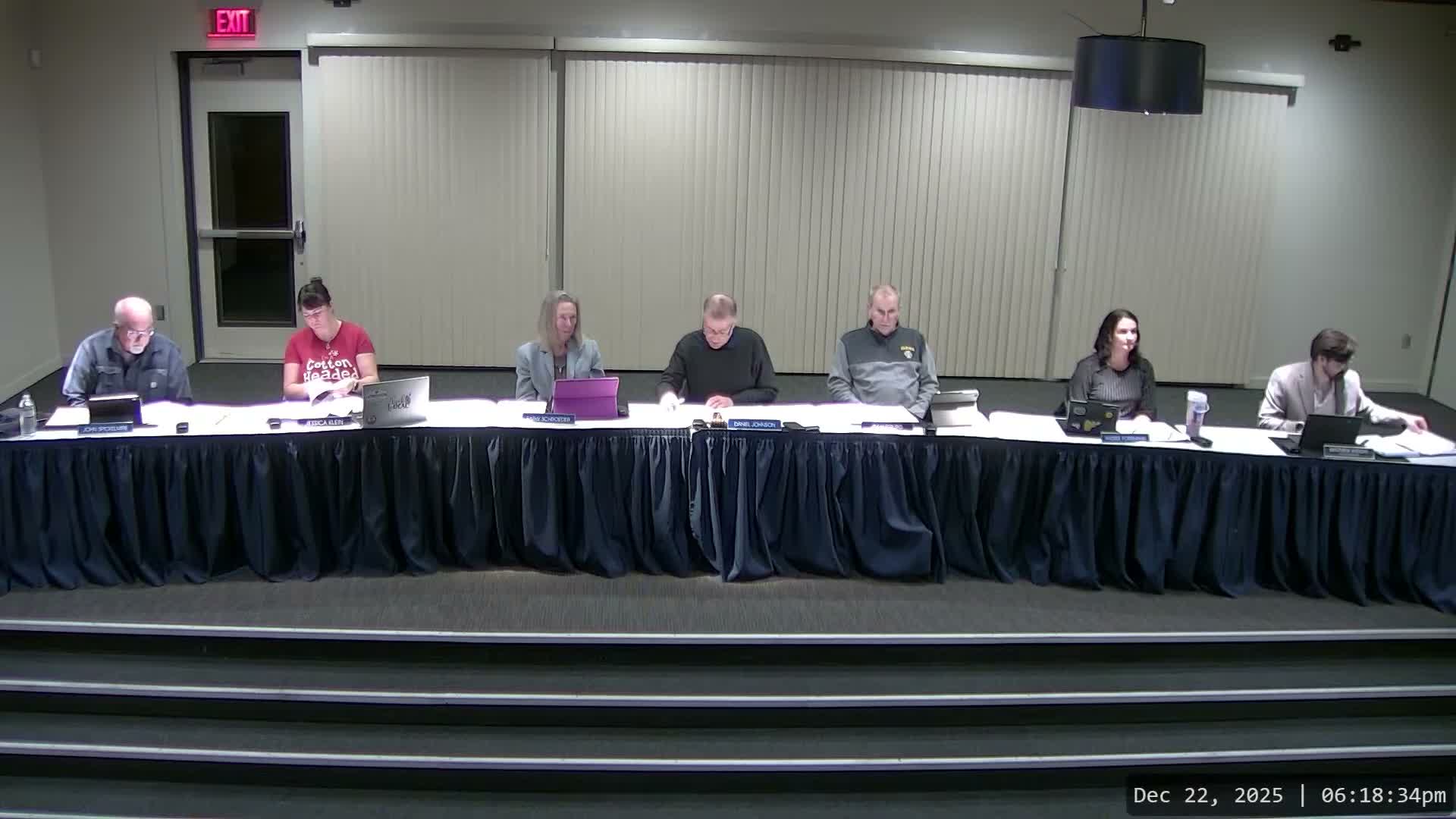
Summary
After extended questioning about long‑distance transports, billing, mutual aid and the city’s cost model, Lewiston City Council voted to table proposed amendments to out‑of‑area ambulance transport rules until a February work session for further analysis.
Lewiston — Councilors on Tuesday sent a proposed amendment to the Lewiston Fire Department’s out‑of‑area ambulance transport fee policy back for more study after an extended exchange with Fire Chief Greg Reitmeier.
Chief Greg Reitmeier told the council the Emergency Medical Services Advisory Board recommended clarifying language in the city code so example locations are not read as an exclusive list. “It has been done rarely in the past,” Reitmeier said of long‑distance ground transports, noting life‑flight options and specialty centers can affect whether ground trips to Seattle or Salt Lake City are necessary.
Council questions centered on operational feasibility and cost recovery. Councilor Spickelmeyer asked, “When I get paid for it, does what we get paid justify our expenses?” Reitmeier said collection depends on patient insurance and can take two to three years, and that state and federal balance‑billing rules limit recovery from patients.
Members also pressed for clearer standard operating procedures and for better accounting of the "cost of readiness" — fixed costs such as vehicle depreciation, staffing and fuel that exist whether or not a unit is deployed. Reitmeier said the city now uses a GMT (ground emergency medical transport)‑based model for cost estimates but acknowledged small partners with few calls can skew per‑call math and that a formal time‑and‑place study has not been completed.
Given the number of unanswered operational and fiscal questions, Councilor Spickelmeyer moved to table the item to the February work session. The motion carried on voice vote.
What happens next: Council directed staff to bring the topic back for a workshop with additional data, including clearer SOP guidance, mutual‑aid expectations, and an analysis of readiness costs and billing recovery. Chief Reitmeier warned that pausing policy changes without clarifying language could affect out‑of‑area transports during the winter months and recommended a multi‑agency work group to gather data first.