
Charter review panel considers forensic audits, citizen oversight and merging ethics functions
Get AI-powered insights, summaries, and transcripts
Subscribe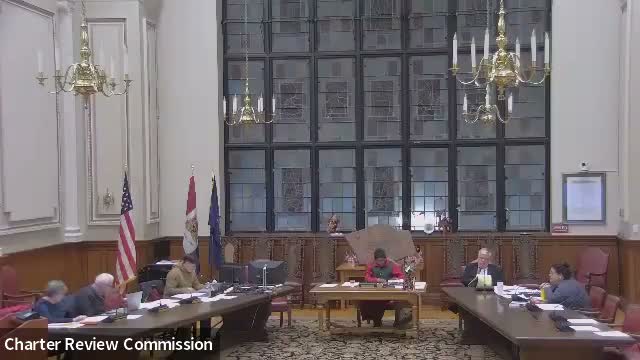
Summary
Commissioners debated adding forensic-audit language to the Home Rule Charter, strengthening citizen oversight and whether to merge the ethics and charter boards; one commissioner cited a past $83 million overpayment to a utility as rationale for tighter controls.
Commissioners on the Reading Charter Review Commission spent the bulk of their Dec. 18 meeting debating whether the city charter should require periodic forensic audits, strengthen citizen oversight mechanisms and clarify appointment rules for boards and commissions.
Jonathan introduced the idea of adding a forensic-audit provision to Article 9 of the Home Rule Charter, saying such audits could "reinforce transparency, strengthen internal controls, [and] promote public trust." He said one model would trigger a forensic review on a regular cycle tied to changes in administration.
Several commissioners pressed for clarity about how a forensic audit would differ from the existing annual independent audit. Sheila argued forensic work is more investigative, saying it is designed to "detect and investigate potential fraud, embezzlement, or other financial misconduct." She cited a prior outside forensic engagement, saying that Baker Tilly uncovered what she described as "the $83,000,000 of overpayment that was done to the Reading Area Water Authority back in 2017, for a period of 20 years." That claim was presented as a historical finding by the speaker; commissioners did not offer documentary evidence during the meeting and the commission did not take a vote to adopt the figure.
Legal counsel said the city auditor possesses subpoena power that could help timely, thorough reviews, and commissioners said current audits are often late enough to interfere with budget planning. Commissioners discussed trade-offs: Tanya noted a four-year forensic engagement for a midsize city can cost roughly $250,000 "on a good day," and others suggested a staged approach — a required turnover report from outgoing administrations that would trigger a forensic audit only if red flags appear.
The commission also discussed amending eligibility rules for boards and commissions so that minor, outstanding parking tickets would not automatically disqualify prospective appointees. Dave proposed setting a minimum threshold for disqualifying tickets and asked the group to consider whether the charter board and the board of ethics should be merged. Legal counsel advised the two bodies have distinct jurisdiction but said a merger is legally possible with careful drafting.
What happens next: commissioners directed continued drafting and legal review; no formal charter amendment was adopted at the meeting.