
Chair accuses Mexican arrangements with Cuban doctors of forced‑labor; State Department says it will press Mexico and refer trade questions to USTR
Get AI-powered insights, summaries, and transcripts
Sign Up Free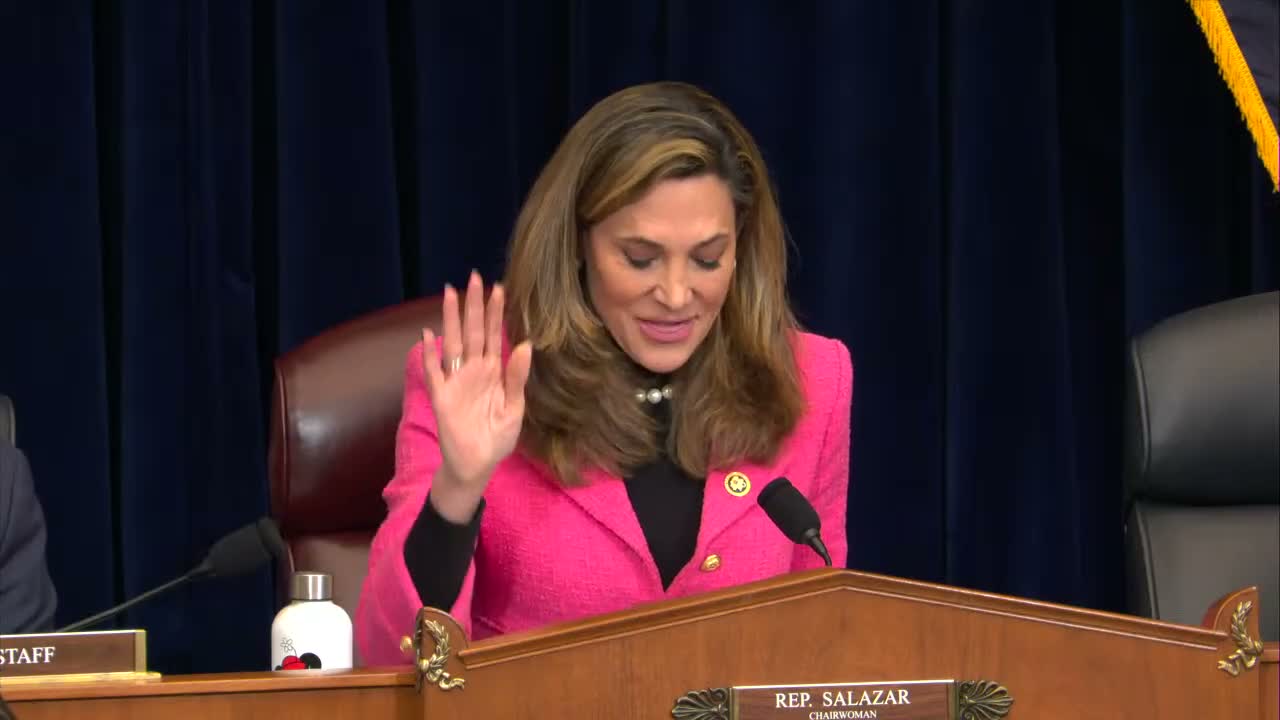
Summary
Chairwoman Maria Salazar accused Mexico of participating in a Cuban medical program that pays the Cuban government rather than doctors and said the practice could violate USMCA forced‑labor provisions; State Department witnesses called the program "cynical," said they are raising the issue with Mexican authorities and deferred trade‑law questions to the USTR.
Chairwoman Maria Salazar used opening remarks to accuse the Mexican government of facilitating a Cuban medical program she described as forced labor and said the issue would be raised in the upcoming USMCA review.
"Mexico has accepted more than 3,000 Cuban doctors in exchange for over $100,000,000 paid directly to the Cuban regime... That is pure and simple slavery," Salazar said, describing the Cuban government’s arrangements for medical personnel as effectively withholding most workers' pay. She called for the USMCA review to address the practice and asserted the agreement contains provisions prohibiting forced labor.
Katherine Duholme agreed the program is concerning. "It's very cynical how the Cuban government has been able to dress up a trafficking in persons program as a noble gesture," she said, and told the committee the Department of State has raised the issue at all levels of the Mexican government. Duholme noted that legal questions tied to the USMCA enforcement fall to the Office of the U.S. Trade Representative (USTR), and she deferred technical treaty enforcement questions to that office.
Duholme also provided a size estimate for Cuban medical missions, saying Mexico was host to one of the world's largest programs and cited an approximate figure of 3,650 medical workers in the program during her remarks. Members asked that these assertions be verified and sought details on whether Mexico’s payments flow through the Cuban government rather than directly to individual medical personnel.
The committee did not adopt any formal finding at the hearing; members said they expect follow‑up information and asked agencies handling trade enforcement and human‑trafficking statutes (USTR, Treasury, Justice, relevant inspectors general) to provide records or briefings if available.