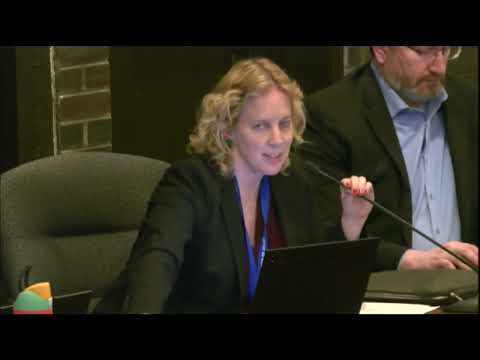
Joliet budget debate centers on hiring, events staffing and costly 2016 health insurance deal
Loading...
Summary
Councilmembers disagreed over proposed 2026 budget additions — including a special-events manager and other staff — and sparred over a long-term 2016 health-insurance contract that staff said contributes to rising costs; staff said union negotiations and plan changes are producing some savings.
A heated discussion of the proposed 2026 fiscal-year budget dominated the City of Joliet’s Dec. 15 pre-council meeting as councilmembers questioned new staffing requests and wrestled with the budget impact of a long-term health insurance contract adopted in 2016.
City Manager Beth said proposed hires include an events manager and staff to professionalize permitting and citywide event coordination, improvements she said are needed to avoid last-minute requests and to ensure appropriate public-safety planning and permit fees cover costs. ‘‘We are gonna start maintaining our public works ... and we are gonna be implementing a permitting system that people fill out,’’ Beth said, arguing the changes would also help the city recoup costs through permit fees.
Anne, the director of cultural affairs and special events, said the new manager will oversee programming and operations for Bicentennial Park and City Square and stressed that 2026 will include large anniversaries and events that require additional capacity and safety planning. ‘‘In order to do that, you need the substantial staff to be able to not only execute it well, but also safely,’’ Anne said.
Several councilmembers urged caution, questioning whether the city should wait for a staffing study due to start in January before hiring, and asking for quantifiable data on customer counter demand and event workload. One councilmember said sidewalk funding has risen in recent years and cited that allocation as a higher priority for some constituents.
The meeting turned more contentious when councilmembers raised the 2016 health insurance agreement, which several speakers said has led to rising long-term costs. Staff noted the current annual health-insurance expenditure is roughly $37 million and projected continuing increases through 2030 without changes to contracts and plan design. Kevin (staff) explained that as interest rates and actuarial assumptions change, the city’s long-term liability estimates also change, and he said staff is negotiating with unions and pursuing plan options that have already yielded savings for some groups.
Council members emphasized they have limited control over existing contractual obligations to retirees and that much of the long-term liability stems from prior negotiated terms. Several members said they would withhold support for the budget because they were not convinced the new positions were timely or sufficiently justified by data.
Beth and other staff offered to provide additional data requested by councilmembers, including counts of in-person payments and staffing detail, and to supply the staffing-study timeline. The pre-council did not include a final vote on the budget; staff said the ordinance approving the FY2026 budget will be considered at the regular council meeting the next day.