Get Full Government Meeting Transcripts, Videos, & Alerts Forever!
Get email alerts on the Housing Missing Middle topic
No spam. Unsubscribe anytime.
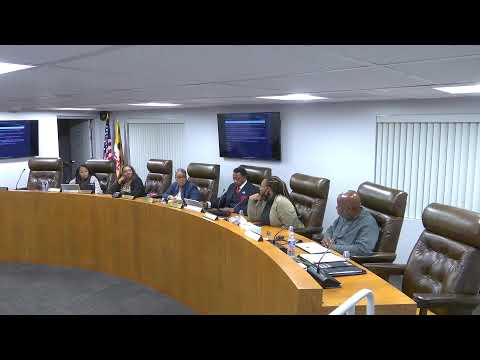
Prince George’s County planners present 'missing middle' housing study to Seat Pleasant council
Summary
County planning staff described 'missing middle' housing types, local affordability shortfalls and regulatory barriers, and said a study with zoning recommendations will wrap up in early 2026 with outreach and implementation guidance.
County planning staff told the Seat Pleasant City Council on Monday night that small-scale, multiunit "missing middle" housing could expand attainable market-rate options for middle-income residents while fitting into existing neighborhood contexts. Karen Miro, a member of the county housing team, led the presentation and said the team has been studying housing types that typically range from two to eight units and that have been largely excluded by mid-20th-century zoning.
Miro said Prince George’s County currently produces far fewer units than its targets and that single-family zoning covers the majority of residential land, creating barriers to small-scale infill. "In Prince George’s County, the 100% median income is $98,000…this is market-rate housing that's more affordable to middle-income families," she said, noting that many essential workers do not qualify for subsidized housing but cannot afford typical local home prices or rents.
The planning team described multiple tools that can support missing middle production, including relaxed lot-size and setback requirements, faster review pathways for small developers, and outreach to faith-based organizations that may have available parcels. The presenters said the county will complete a missing middle study in 2026 and deliver specific zoning and program recommendations to municipalities. They also flagged accessory dwelling unit (ADU) policy changes required by state law, with a county deadline to adopt a policy by October 2026.
Council members and residents asked about timelines, financing and local implementation. Presenters noted Federal Housing Administration loans as one financing pathway and said recommended zoning changes will specify which zones could allow which building types. The planning staff emphasized anti-displacement measures and additional outreach, and invited Seat Pleasant officials and residents to use a QR code to take an online survey and stay engaged.