Get Full Government Meeting Transcripts, Videos, & Alerts Forever!
Get email alerts on the Public Safety topic
No spam. Unsubscribe anytime.
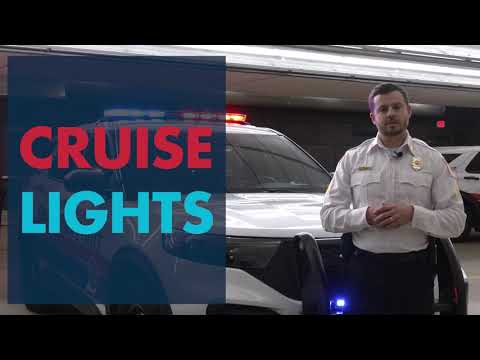
Orland Park police pilot non‑flashing "cruise lights" on patrol cars to boost visibility
Summary
Sergeant Wall of the Orland Park Police Department announced a pilot program installing non‑flashing red and blue "cruise lights" on patrol cars in business districts and neighborhoods to increase officer visibility and, the department says, deter crime; he reminded drivers that flashing lights still indicate emergencies and that drivers must pull over.
Sergeant Wall of the Orland Park Police Department announced a pilot program adding non‑flashing red and blue "cruise lights" to some patrol cars in business districts and neighborhoods aimed at increasing officer visibility and making it easier for residents to find officers when they need help.
"Cruise lights are simply just a way for our officers to be more visible on the street," Sergeant Wall said, adding that the fixtures "also help deter crime." He said residents should expect to start seeing the lights on patrol vehicles as the department rolls out the pilot.
Sergeant Wall emphasized that the new lights are not the same as emergency lighting. "If the lights are flashing, they are signaling an emergency and you are required to pull over," he said, distinguishing routine visibility from traffic stops and asking drivers to "go about your business" when the lights are not flashing.
The department asked for public feedback during the rollout as it evaluates whether the program meets its goals of increased community presence and deterrence. Sergeant Wall closed the message by thanking viewers and saying the department looks forward to community input.
The announcement did not specify a timeline for full deployment, the number of vehicles involved, or legal citations for the obligation to pull over; those details were described verbally as requirements but were not named during the message.