Get Full Government Meeting Transcripts, Videos, & Alerts Forever!
Get email alerts on the Urban Forestry topic
No spam. Unsubscribe anytime.
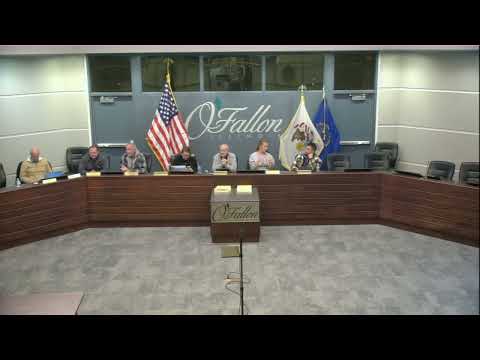
Committee recommends O'Fallon Urban Forestry Management Plan be sent to council
Summary
A committee voted to forward an urban forestry management plan and street‑tree inventory to the full council, recommending creation of a dedicated urban forester, ordinance updates and a GIS inventory to manage more than 5,000 street trees.
A Parks and Recreation committee recommended that the O'Fallon City Council consider adoption of an Urban Forestry Management Plan developed from a 2023 street‑tree inventory.
The plan, presented to the committee, summarizes a roughly year‑long inventory of the city's street trees and lays out seven steps for implementation, including creating a dedicated urban forester position, aligning city ordinances with the plan, maintaining an up‑to‑date GIS inventory of more than 5,000 trees and pursuing Tree City USA designation. The presenter said the inventory is already two years old and will require ongoing updates.
The presenter told the committee that centralized management would reduce confusion between departments that currently handle tree requests. "Currently, they might go tree issues go to community development. They go to public works, and they come to us. It's very difficult," the presenter said, recommending one staff member to manage tree requests and public education to reduce unnecessary removals.
Committee members asked several implementation questions, including whether adopting the plan commits the city to immediately fund a dedicated urban‑forester position. Staff clarified the staffing request will be part of an upcoming budget proposal and that adoption of the plan itself does not automatically add budgeted positions.
A resident asked whether homeowners would have to check with the city before planting trees; the presenter said homeowners retain the right to choose trees on private property but the city can dictate species planted in the public right‑of‑way and will serve as a resource for private planting choices.
The committee moved and, following roll call, recorded affirmative responses and recommended forwarding the resolution to the full council for adoption.
Next steps: the committee recommended that the city council consider the resolution at its next meeting (staff indicated the resolution would be forwarded for full adoption).