
City Council panel reviews $6.73 million supplemental for BPPA one-year agreement; vote planned at next council meeting
Get AI-powered insights, summaries, and transcripts
Subscribe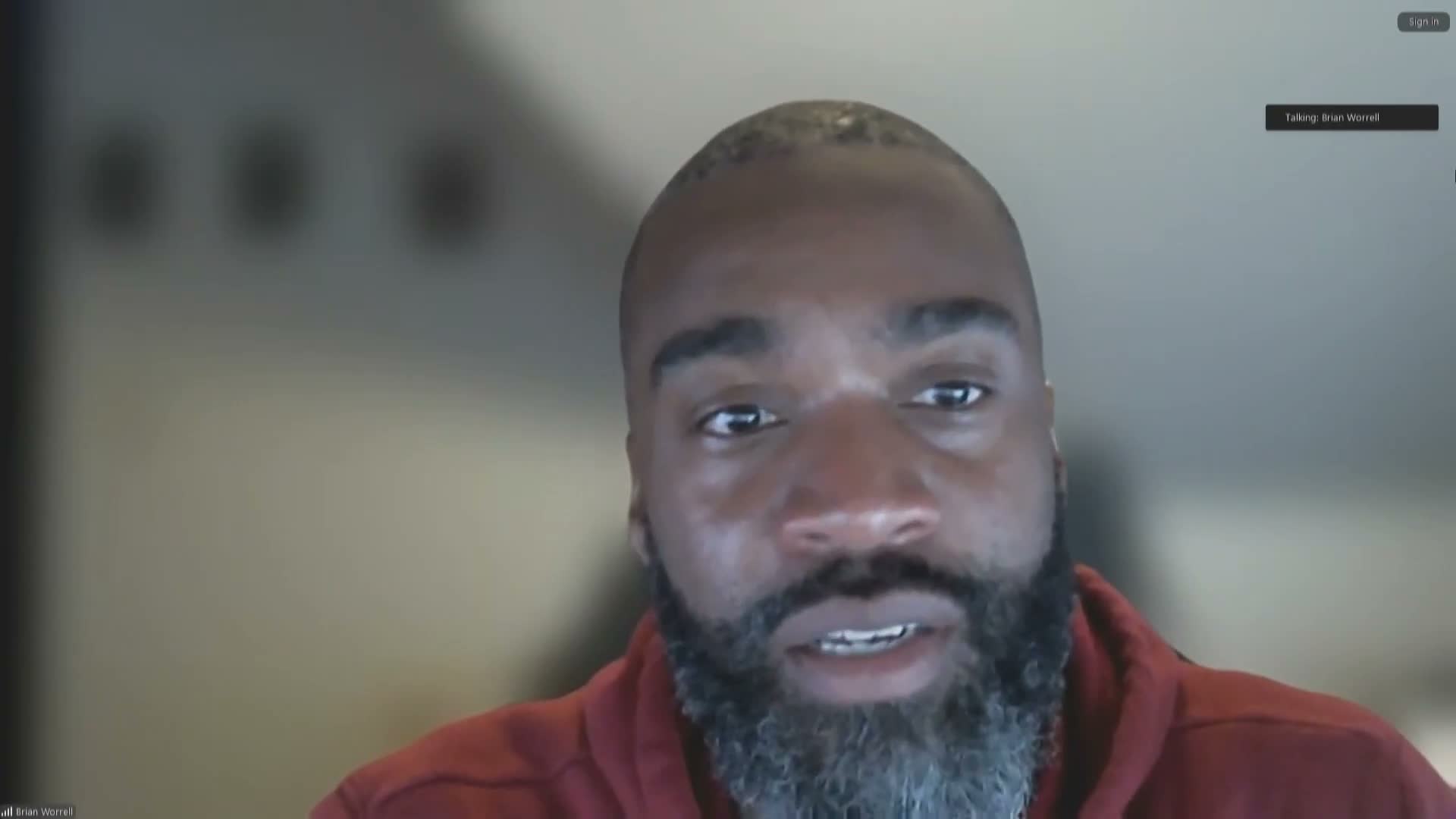
Summary
The Committee on Ways and Means heard a proposal to transfer $6,733,196 from the FY26 collective bargaining reserve to fund a one-year collective bargaining agreement with the Boston Police Patrolmen—s Association. Councilors pressed administration officials on overtime, vacation scheduling and sick-time buyback; no vote occurred at the hearing.
The Boston City Council Committee on Ways and Means on Nov. 24 heard administration testimony and council questions about a $6,733,196 supplemental appropriation to the Boston Police Department to fund a one-year collective bargaining agreement with the Boston Police Patrolmen—s Association.
City budget director Jim Williamson told the committee the FY26 budget includes a $102.7 million collective bargaining reserve and that approvals of previously negotiated agreements total about $58.5 million; adding the four supplementals under consideration would bring the total to roughly $65.8 million. "These 4 additional, supplementals ... the city council has approved will have approved 6.5, $65,800,000," Williamson said during his summary of the fiscal context.
Lou Mandarini, senior labor adviser to Mayor Michelle Wu, described the BPPA agreement as a short-term, one-year bridge designed to keep the city—s largest police union under contract while the administration finishes negotiations with other units. "This is a 1 year agreement, so this is essentially something that we have done here to catch our breath, to make sure that our largest police union remains under contract," Mandarini said.
Councilors focused on implementation details and potential impacts. Councilor Weber asked whether details (paid extra assignments) would overlap regular shift pay by up to two hours; John Wilton of the police labor team said the change aligns details to contractual shifts and would have only a "very, very small effect." Officials said a change that spreads summer vacation windows should reduce replacement overtime in peak months by having fewer officers off at the same time.
On sick-time buyback, administration witnesses said the agreement increases the retirement cash-out cap for patrol officers from 200 days to 250 days at 40% pay and that equalizing buyback rules across units may reduce end-of-career sick-time usage that contributes to overtime. "The ability to sell back this time means less time gets used at the end of an officer's career," an administration negotiator said, noting the change could lower mandatory overtime and replacement needs.
The agreement includes nonpay provisions the administration emphasized, including a requirement that officers wear name tags. Mandarini called name tags "a very significant part of this package," saying they improve public interactions.
The MOA also includes a 2% base wage adjustment plus a 1% hazardous-duty differential; administration officials characterized that as a 2% cost-of-living adjustment with an additional 1% hazardous-duty payment affecting bargaining-unit members. Councilors asked whether the short-term nature of the deal risks consecutive increases in future negotiations; Mandarini said finance staff evaluate proposals and the administration aims to manage wage growth responsibly.
Councilor Pepin asked about mental-health protections; John Wilton said the contract provides 30 minutes of workout or meditation time on a regular shift (four times a week) and pointed to a peer-support unit in the chief—s office. "Included in this contract is 30 minutes of workout and meditation time on a regular shift," Wilton said.
Chair Worrell told the committee he intends to bring the dockets for a council vote at the next full council meeting; no final council vote occurred at this hearing. The hearing record will be supplemented with additional data requested by councilors, including historical cash-out practices and any implementation details central staff or the administration can provide.
Next steps: the chair said he will place the supplemental appropriation dockets on the Council agenda for a vote at the next full council meeting.