Get Full Government Meeting Transcripts, Videos, & Alerts Forever!
Get email alerts on the Community Development topic
No spam. Unsubscribe anytime.
Community development update: city reports housing repairs, CDBG award and transit provider change
Summary
City staff reported local and federal-funded home repairs for dozens of households, a $282,000 CDBG award, $365,000 in rental assistance distributed last year, and a planned transit provider switch that staff say will save about $100,000 annually.
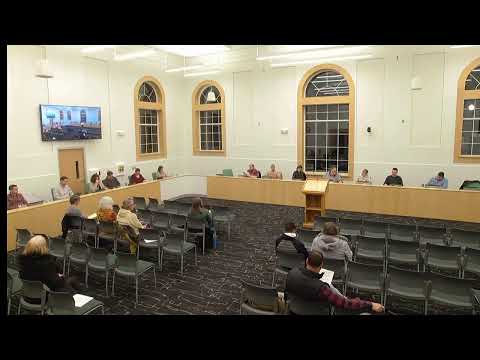
Matt Snow, the city’s community development staff member, told Bowling Green City Council that the city’s home repair and housing programs used a mix of local and federal funds to complete dozens of repairs and support residents. Snow said the council’s $100,000 local allocation expanded eligibility and helped seven households this year with an average local repair cost of about $11,500.
The report said the city was awarded $282,000 in Community Development Block Grant (CDBG) entitlement funds for fiscal year 2024, which the city used to assist 17 households with an average repair of about $8,000. Snow said these projects addressed major mechanical issues—roofs, furnaces and water heaters—and in one case replaced galvanized water lines throughout a home and performed lead‑safe painting on a historic house.
Snow outlined rental and voucher assistance: the city manages a contract with the Bowling Green Housing Agency that dispersed about $365,000 over the last year, with average monthly assistance around $459 and roughly 84 households receiving support; he added Wood County vouchers assist about 22 Bowling Green households. The city provided $6,000 to the Salvation Army’s transitional housing program, which assisted 20 individuals, Snow said.
On economic development, Snow reported the business revolving loan fund loaned $230,000 and staff expect those loans to generate seven full‑time jobs. On transit, Snow said BG Transit had about 25,000 rides last fiscal year, roughly 41% of which were by elderly or disabled riders, and the city operates seven fully accessible minivans. After an RFP, the city selected Grama Transportation to begin as the service provider on Jan. 1; Snow said the change should yield around $100,000 in savings after startup costs. He also said the city received a grant covering 80% of the cost for a replacement transit vehicle (vehicle cost cited near $70,000).
Snow also summarized neighborhood initiatives: microgrants of about $15,000 were distributed to support citizen engagement, beautification and safety projects; an online “report a concern” tool tied to GIS is being implemented; property maintenance prioritization uses a health department exterior housing survey; and the Community Reinvestment Area (CRA) program offers a 50% real estate tax abatement for 10 years. Snow closed by reviewing CDBG compliance tasks—consolidated five‑year plans, fair housing analysis, programmatic agreements with the State Historic Preservation Office and environmental reviews—which staff said take roughly two months each to complete.
The council asked no substantive follow-up questions recorded in the transcript. The presentation was delivered following a municipal administrator introduction.