Get Full Government Meeting Transcripts, Videos, & Alerts Forever!
Get email alerts on the Lithium Sourcing topic
No spam. Unsubscribe anytime.
Study finds multiple sources of lithium in Great Salt Lake; springs and groundwater likely contribute
Summary
A tech‑team grant presentation summarized new sampling that finds lithium is distributed across sediments, springs and groundwater; presenters reported an estimated system resource and preliminary calculations of spring contributions while urging more data for source attribution.
A tech‑team research presentation on Sept. 1 outlined new sampling and geochemical analysis aimed at understanding how much lithium is in the Great Salt Lake, where it comes from, and whether extraction is sustainable.
Elliot (presenter name as used in the transcript) said the grant project sought to quantify volumetric and mass lithium in the lake and to identify sources including springs, groundwater, sediment and dust. The presenter cited an estimated in‑system resource range reported in slides (presented in the transcript as 'Ranges between 360,000 to 4 60000 metric tons').
Why it matters: lithium is a commercially valuable element used in batteries and other technologies. Local and state agencies, companies and communities are discussing pilot extraction projects in the north arm; a clearer inventory and source map helps policymakers weigh economic opportunity against environmental impacts.
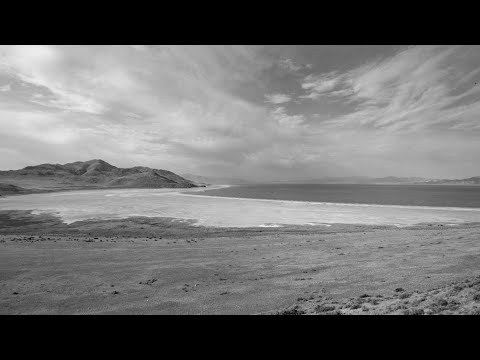
Key findings reported by the presenter: field sampling across the north and south arms, subsurface clays, ooids and microbialites show lithium is widespread in sediments and can be concentrated in specific hotspots (the presenter flagged a high concentration near a Morton Salt drainage canal). Presenter calculations from measured discharge at 28 springs produced a preliminary estimate of about 47.5 metric tons of lithium contributed by those springs (for springs where discharge was measurable). The presenter also noted recent groundwater inflow estimates of roughly 10% of total water input — higher than older 3% estimates — which would increase the role of groundwater as a solute source.
The presenter emphasized uncertainty and the need for more data: sample density is sparse in remote parts of the shoreline, some north‑arm sites were inaccessible at current low water levels, and analytical methods for brines vary by lab. The team recommended additional groundwater/spring sampling, more transects of clays and microbialites, and isotope work to improve source attribution.
What was not concluded: the short study did not materially change the overall resource estimate for the system from prior work and did not determine whether extraction pilots would be sustainable over decades; the presenter said residence time estimates and stockpiles complicate that question. The presenter also warned extraction pilot performance can vary seasonally (for example, winter mineral slush can reduce lithium entering a processing stream).
Public response and technical questions: participants asked whether springs were geothermal (some are mesothermal or hot springs near Corinne, presenter said) and whether historic flooding reset concentrations. Presenters said there are plausible hydrothermal contributions but additional age‑dating and isotopic analysis are needed to resolve timing and provenance.
Next steps: the presenter urged additional targeted sampling, isotope analyses and development of a sentinel multispectral remote sensing approach to map surface indicators across the whole lake if ground‑truthing data are available.