Lifetime Citizen Portal Access — AI Briefings, Alerts & Unlimited Follows
Preliminary survey shows Great Salt Lake hosts large shorebird counts even as multi-decade declines appear across the Intermountain West
Loading...
Summary
Researchers presented preliminary counts showing hundreds of thousands of shorebirds use Great Salt Lake and the Intermountain West but reported steep declines versus surveys from 30 years ago; analyses tying declines to surface-water changes and other drivers are under way.
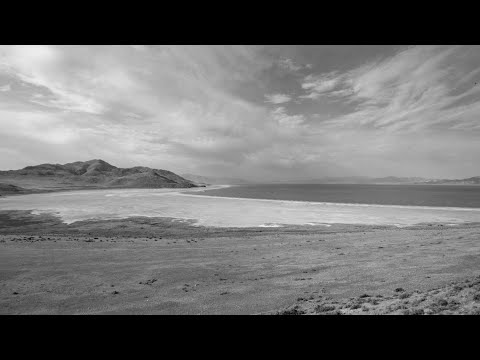
At a recent meeting of the Utah Great Salt Lake Advisory Council tech team, researchers summarized preliminary results from an Intermountain West migratory shorebird survey and a Utah-focused analysis that together highlight the Great Salt Lake's outsized role in regional shorebird migration and troubling long-term declines.
The survey team, led in part by Em Clark and Max Monkquist from Audubon and partners, said the August survey window yielded substantial counts in Utah. "We had almost a quarter of 1000000 shorebirds counted across Utah," Clark said, reporting the season included about 25 shorebird species. The presenters gave species-level tallies, including about 125,000 American avocets (roughly 14% of the Utah total), about 39,000 Wilson's phalaropes (about 14%), and about 36,000 red-necked phalaropes (about 13%), plus roughly 10,000 birds in a combined phalarope category.
Why it matters: presenters emphasized that much of that abundance is concentrated in state-managed areas. Clark said about 81% of shorebirds counted were on sovereign lands managed by Forestry, Fire & State Lands, with the Division of Wildlife Resources and some private duck clubs accounting for smaller shares. Maps shown at the meeting highlighted Farmington Bay and Antelope Island Causeway South as key sites.
The meeting also featured a preliminary comparison to historical surveys. Sharon Montesino, a master's student analyzing the data, said comparisons with surveys from about 30 years ago show widespread declines. "We found that shorebird abundances decreased on average by 69% in fall and by almost 77% in spring between the historical and the recent surveys," Montesino said. For four Utah sites with both historical and recent data (Great Salt Lake, Fish Springs, Utah Lake, Amargosa Barrens), she reported roughly a 78% decrease in fall and about an 85% decrease in spring counts.
Presenters cautioned the numbers are preliminary and subject to adjustment. Clark said the reported counts are unadjusted for observer bias and coverage and that final analyses will refine those numbers. Montesino added that she is still finishing her thesis and that the data are not yet formally released to policy makers: "they are not yet...my thesis is still in process," she said. Seasonal reports are being shared with partners and the team asked meeting attendees to suggest additional recipients.
On causes and next steps: speakers declined to attribute the declines to a single driver and described planned analyses to test hypotheses. Montesino said upcoming work will relate shorebird counts to changes in surface water levels and other environmental covariates, and she noted the team will also examine habitat factors such as phragmites coverage and management. Presenters observed that survey timing and differing historical windows complicate direct comparisons, and they said the project will account for date as a covariate to limit bias.
The session closed with attendees asking about next steps and data sharing; presenters encouraged partners to request seasonal reports and said more robust regional comparisons will be possible as analyses continue. The council meeting ended with organizers noting the next tech-team meeting and offering to add interested parties to the report distribution list.