Lifetime Citizen Portal Access — AI Briefings, Alerts & Unlimited Follows
Treasurer warns of short-term deficit and new state overtime reporting rules that will complicate payroll
Loading...
Summary
Treasurer Randy reported a forecasted $400,000 shortfall for the year and told the board a state change that reduces taxable overtime will require new W-2 reporting; current overtime tracking (based on paid status rather than hours) and financial software limitations mean the district may need manual processes or additional staffing to comply.
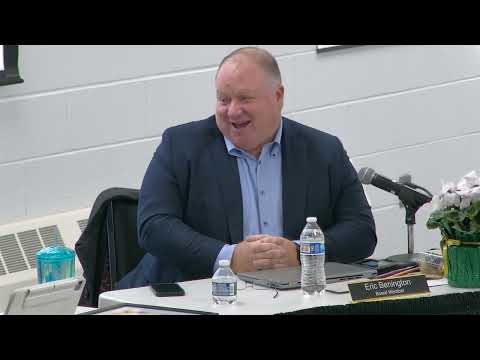
PERRYSBURG, Ohio — The Perrysburg Exempted Village Schools treasurer told the board on Dec. 15 that the district is on a predictable year-to-date trend but is forecasting a roughly $400,000 deficit for the current fiscal year and faces a looming payroll-reporting challenge tied to recent state legislation.
Treasurer Randy reported the district currently has about 121 true cash days and year-to-date revenue and expense trends consistent with expectations: revenue down about 13.5% and expenses down about 8% after reduction measures. "Right now, we're forecasting a negative $400,000 for this year," he said.
Randy warned the board that a state law change — described in the meeting as altering the taxable portion of overtime — will require employers to separate overtime that qualifies for a deduction on W-2s beginning with calendar year 2026 reporting. He said the district—s overtime system is based on paid-status rules written into collective bargaining agreements (for example, bus drivers— baseline hours are embedded in pay calculations), not on edge-by-edge time-sheet hour counts, and that the district—s financial software cannot currently produce the required breakdown automatically.
"There's not a mechanism within our system to track that right now except manually," Randy said. He outlined options including manual spreadsheet work, negotiating contract changes to redefine overtime, or identifying shared resources to produce required reporting — all of which would carry personnel time and costs.
The treasurer also flagged debt-service drivers such as new bus leases and an energy project among reasons the district needs to monitor forecasts closely. The board discussed timing for tax-budget and forecasting updates and agreed to review scenario simulations in January and February as state tax reform proposals and property tax modeling evolve.
The board voted to accept the financial report as presented; no additional board action on payroll reporting was taken during the meeting, but members asked staff to return with options for compliance and cost estimates.