Residents urge Joliet council to reject proposed 795'800-acre data center over water, health and jobs concerns
Loading...
Summary
Dozens of residents told the City of Joliet on Dec. 16 that a proposed 795'800-acre data center (promoted by Hillwood/Powerhouse as the Joliet Technology Center) would threaten groundwater, raise energy costs and deliver few long-term local jobs; councilmembers said no decision has been made and they will continue due diligence into 2026.
Dozens of Joliet residents packed City Hall on Dec. 16 to urge the City Council to oppose a proposed data center campus that speakers said would consume scarce water, strain the electric grid and offer only temporary construction jobs.
Andrea Bomhart, a Manhattan Township resident, told the council the project site would be within walking distance of her home and asked, "What is the power source?" and "What is the purchase agreement for that power?" She also raised a personal health concern, saying she had been told by a medical source about links between so'called "dirty electricity" and sustained blood-glucose issues for people with diabetes. "This data center is 800 acres," Bomhart said, adding that the scale makes it "the largest one in the state right now." (Andrea Bomhart, public comment.)
Several other speakers echoed water concerns. Felix Ortiz, a lifelong Joliet resident, warned that the region already faces water affordability challenges and said building a massive data center would "further exacerbate" those pressures. Griselda Chavez, a lifelong resident, described the Hillwood Development outreach as "propaganda" and said the project would risk disproportionate health impacts for low'income communities of color; she referenced a 795'acre figure for the proposed site.
Technical and professional commenters also urged caution. A PhD candidate in data science told the council that erecting more large data centers has "environmental, public health and economic implications," including groundwater and noise concerns, and argued for more algorithmic efficiency rather than new massive facilities. Multiple speakers cited examples in other jurisdictions (Aurora, Chandler and townships in Ohio and Michigan) that have paused or rejected similar projects.
Speakers repeatedly questioned developer transparency. Noah Martinez and others pointed to a project website (joliettechnologycenter.com) and said it lacked enough detail about whether energy upgrades would be paid for by ratepayers, whether on'site generation would be renewable, and whether municipal water would be used for cooling.
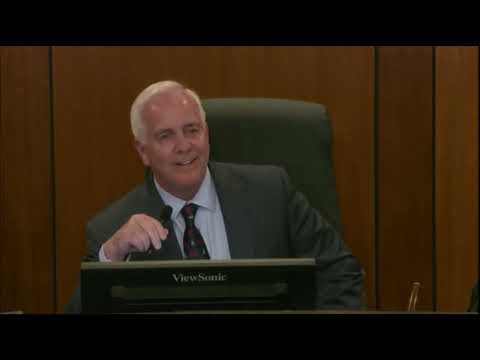
City officials did not vote on any development approvals at the meeting. Several councilmembers thanked residents for turning out and said the proposal remains at an early stage. A council member summed the city's position: "Nothing has been decided, and we will continue to look at that until 2026," promising further review and public engagement before any action.
What happens next: The council did not take a formal action on annexation, zoning or development agreements at the Dec. 16 meeting. Residents who spoke urged the council to require fuller disclosure of water and power contracts, environmental impact assessments, and binding community benefits before any approval.
Sources: Public comment record, City of Joliet council meeting, Dec. 16, 2025 (speakers Andrea Bomhart; Timothy Stewart Antel II; Abby Ballmer; Griselda Chavez; Felix Ortiz; Noah Martinez and others).