Get Full Government Meeting Transcripts, Videos, & Alerts Forever!
Get email alerts on the County Finance topic
No spam. Unsubscribe anytime.
Spencer County debates using $106,907 in opioid funds versus investing for safety net
Summary
Fiscal Court debated whether to invest $106,907 held in the county opioid account or spend it on treatment and recovery programs; members asked program providers to make in-person presentations and voted to gather more information before committing major sums.
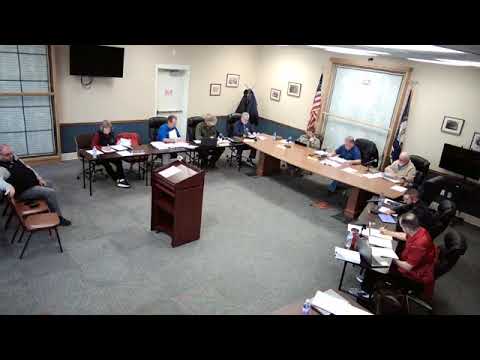
The Spencer County Fiscal Court spent much of its Nov. 3 meeting weighing whether to deploy a $106,907 opioid-account balance for local programs or protect it by investing in certificates of deposit.
Presiding official (Speaker 2) told the court the checking account held $106,907 and said an alternate account arising from Senate Bill 135 had $108,033.15 and was being deposited at roughly $2,800–$3,000 a month. "We have a $106,907," Speaker 2 said while distributing a worksheet on qualifying expenditures.
Members discussed recent small pilot programs and whether the county could justify using opioid funds for those services under grant rules. One program the court previously funded cost about $8,500 per cohort, and members asked that program vendors appear in person to explain outcomes. "They told us on the phone it was a success, but I want him to come and tell us in person," Speaker 2 said referring to a provider the court had previously engaged.
Court members also raised a fiscal risk: if the county spends the money and a state or grant administrator later determines the expense did not qualify, the county could be required to repay the funds out of its general fund. "If you pay it and then they say it don't qualify, we have to pay it back," Speaker 2 said.
Rather than approve a large commitment on Nov. 3, the court agreed to ask providers to present evidence of outcomes and to consider a phased approach: pilot projects and, if appropriate, moving some funds into CDs for short-term interest to protect the principal while the court identifies eligible program spending.
Next steps: staff will schedule provider presentations (including representatives from the Kentucky County Officials association event noted by members) and return to the court with proposal(s) and eligibility guidance before authorizing major expenditures.