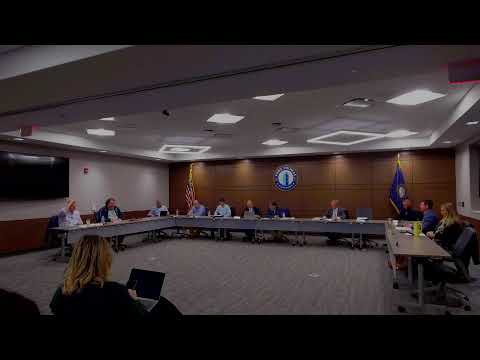
Fort Thomas council nomination of interim member prompts debate over process and conflicts
Loading...
Summary
Public speakers and council members debated procedures after a motion to nominate Brad Fennell for a one‑year interim council seat; some council members and residents urged interviews and transparency, and an allegation about a past property profit was raised and addressed in council discussion.
Several residents urged the Fort Thomas City Council to use an open, transparent process for filling a recent vacancy, and council members publicly debated whether to proceed immediately with a nomination or to interview applicants.
Sharon McKnight, a resident who spoke during the public‑comment period, asked the council to explain why it used an open application process to fill a vacant council seat but not for the interim mayor vacancy, saying, “Could you please help residents understand why a similar open process was not used to fill the interim mayor vacancy.” Council members responded that state law (KRS) directs the council to appoint a replacement but also described customary local practices.
Multiple residents offered endorsements during visitor communications for different applicants. Dave Prather introduced himself as a lifelong resident and said of one candidate, “Steve Berry is one of those people,” citing volunteer organizing and local involvement. Matt Reed, another endorser, said the candidate had “a great sense of…being born and raised in Fort Thomas” and highlighted long volunteer service in schools.
On the council floor, a member moved to nominate Brad Fennell to fill the vacant seat and received a second. Supporters said they wanted someone who could “plug right in” for the one‑year term; other members said the council had a substantial applicant pool (about 15–16 people) and pressed for interviews or an executive session to discuss candidates. A second council member moved to go into executive session to review applicant evaluations and ex‑parte communications, prompting procedural debate about whether to table the nomination.
During discussion an allegation about a past financial benefit was raised: one speaker said a candidate had profited from a property sale to the Highland development and noted concerns about prior votes on PILOT (payment‑in‑lieu‑of‑tax) matters. Other council members said the candidate indicated he had been absent for the relevant vote and had not participated; that point was raised as a direct response on the record.
Council members repeatedly framed objections as concerns about process rather than specific candidates. Some called for more transparency and for the council to review resumes and speak with applicants before acting; others urged decisiveness so the city would not lose momentum. The transcript does not record a final, public roll call approving the interim appointment within the portions provided: the motion to nominate and competing procedural motions were debated and an executive‑session motion was made.
The immediate next steps recorded in the public record were procedural motions about executive session and further consideration of municipal business. The meeting later moved on to municipal orders and other votes.
The council’s deliberations reflected two competing priorities: respondents who wanted a swift appointment to fill an important, short‑term vacancy and others who urged a more deliberate review to ensure perceived fairness and avoid questions about ex‑parte contacts or conflicts.