Get Full Government Meeting Transcripts, Videos, & Alerts Forever!
Get email alerts on the Public Safety Demolition topic
No spam. Unsubscribe anytime.
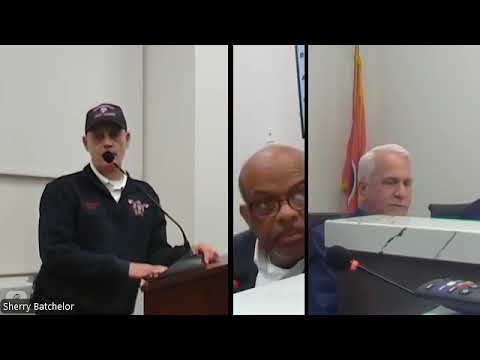
Brownsville council weighs emergency demolition at 14 East Jefferson after structural engineers declare imminent danger
Summary
City staff told council that multiple engineers found the commercial building at 14 East Jefferson to be unsafe and recommended immediate demolition; staff presented a contractor quote of about $175,005.99 and said the owner had not responded to certified notices. Council debated legal exposure, taxpayer risk and whether to delay for further legal and engineering review.
Mayor (unnamed) brought the council’s attention to a commercial property at 14 East Jefferson that building officials and engineers have repeatedly judged unsafe, and staff recommended moving ahead with demolition to mitigate an imminent threat to public safety.
A city building official explained that inspections and structural reports concluded the building was unstable and posed a life-safety risk under the International Building Code’s emergency-measures provisions. The official said the city had sent certified letters to the property owner and that engineers had advised immediate action; a contractor’s quote to remove the building was presented to the council at roughly $175,005.99.
“Once you have an imminent danger the city must act even before your legal services are here,” the building official said, arguing the issue had moved beyond money and was a life-safety concern. The official added the contractor planned to seal the neighboring walls and take steps to protect adjacent buildings during demolition.
Several council members expressed concern about financial exposure if the city pays for the demolition and later cannot recover costs. One councilor asked whether the city inspects properties before sale and warned of “opening up Pandora’s box” if the city begins demolishing multiple deteriorated buildings without fuller review. Another asked whether the neighboring structures had been formally inspected; staff said neighboring buildings had been checked and were not in immediate danger, though the damaged property had worsened in recent weeks.
Mayor and staff said the city’s ordinance and code give local officials authority to act in the face of imminent danger; staff emphasized that the city could file a lien on the property after performing emergency work but that lien recovery was a separate legal process. “If that building falls and we don’t act in the next week and kill somebody, they’re going to own the city,” a building official said.
Council debated two options: vote that night to authorize the demolition and the necessary funding, or postpone for a called meeting after legal counsel and additional engineering input. Some councilors favored postponement to avoid hastily spending taxpayer dollars; others said the evidence of imminent danger and the recent movement of the building made delay risky.
No final, clearly recorded roll-call vote to authorize demolition appears in the transcript record; the council had a motion and second on the table and prolonged discussion. Staff told the council they will pursue the city’s legal remedies to recover costs if possible and follow the structural engineer’s recommendations for protective work on adjacent buildings.
Next steps: staff said they would pursue the contractor quote and legal avenues for liens and recoveries and return with any new legal or engineering information at the follow-up meeting.