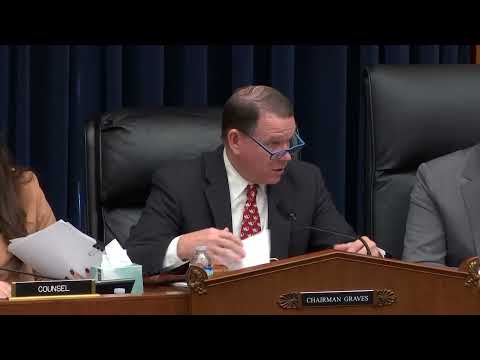
H.R. 6,086 would let FAA use Aviation Insurance Revolving Fund to preserve pay during shutdowns, speaker says
Loading...
Summary
An unidentified speaker at a House Transportation and Infrastructure proceeding described H.R. 6,086, the Aviation Funding Solvency Act, saying it would allow the FAA to tap the Aviation Insurance Revolving Fund to ensure pay for air traffic controllers and other FAA staff during a government shutdown; the speaker entered 70 letters of support into the record.
An unidentified speaker introduced H.R. 6,086, the Aviation Funding Solvency Act, and said the measure would let the Federal Aviation Administration draw on the Aviation Insurance Revolving Fund to cover critical services and ensure air traffic controllers and other FAA professionals are paid during a government shutdown.
The speaker said the bill was introduced "alongside ranking member Larson, aviation subcommittee chair Nels, and aviation subcommittee ranking member Carson," and described the legislation as aimed at keeping the aviation system running safely while preserving the revolving fund’s balance to address potential war-risk insurance claims.
"This bill ensures that no air traffic controller or FAA professional will have to decide between showing up to do their day job or taking a side job to ensure that they can continue to provide for their families in the event of lapsed appropriations," the unidentified speaker said.
The speaker also entered into the record letters and statements of support for H.R. 6,086 from 70 stakeholders representing the aviation community, including air traffic controllers, pilots, airlines, airports, general aviation and the travel industry. The transcript contains no recorded vote or further procedural action on the bill.