Get Full Government Meeting Transcripts, Videos, & Alerts Forever!
Get email alerts on the Tax Levy topic
No spam. Unsubscribe anytime.
Montgomery staff proposes $2.72 million 2025 property tax levy to cover police-pension increase
Summary
Village staff proposed a $2,720,300 levy for levy year 2025 — an increase of about $102,980 (3.93%) — largely to help pay an actuarially driven rise in the police pension contribution; board members pressed staff for alternatives and household cost estimates.
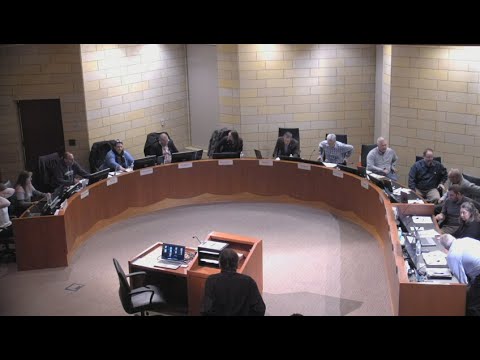
Village staff on Monday presented a proposed 2025 property tax levy of $2,720,300, asking the Village Board to begin the public process needed to adopt the levy that will be collected in 2026. Chris, the staff presenter, said the request includes a 2.9% CPI increase allowed by the Illinois Department of Revenue and represents a $102,980 rise from the 2024 levy.
The levy is intended primarily to offset an increase in the village's required contribution to the police pension fund. "The actuary has determined that we will need approximately $1,216,500 in contributions," Chris said, adding that the actuarial experience study and earlier-than-expected retirements were the largest drivers of the increase. Staff said the levy increase would partially cover the higher contribution; the board will need to identify roughly $45,000 from other sources to fully meet the actuary's recommended contribution level.
The board discussed the size and causes of the pension increase. Trustees asked whether the rise reflected more officers, salary increases or changes in actuarial assumptions. Chris replied that two-thirds of the increase came from a shift in actuarial experience (officers retiring earlier than assumptions), which reduces investment income as assets are paid out sooner. He added that typical annual benefit and salary step changes also contribute to year-over-year increases.
Board members pressed for concrete household impacts and alternatives. Chris provided an example: "For a household with a $300,000 market value, it would be an increase of about $11 a year." Several trustees said they would prefer alternatives to levying where possible, such as targeting development to broaden the tax base, ending sales-tax rebate agreements as they expire, or identifying line-item reductions; others said the board is constrained by the state's tax-cap law and staff was levying at the maximum allowable increase.
The levy announcement begins a multi-step process: a first-reading and public hearing on Nov. 24 and a second reading and possible adoption on Dec. 8; the levy must be filed with the counties no later than the last Tuesday in December. Staff recommended the levy and offered to provide additional budget detail to trustees before the next meeting. No final vote on the levy occurred Monday; the board directed staff to return with any additional requested data and proceed with the public-notice steps specified in state law.