
School committee opens review of cell‑phone policy; working group, literature review and student input planned
Get AI-powered insights, summaries, and transcripts
Subscribe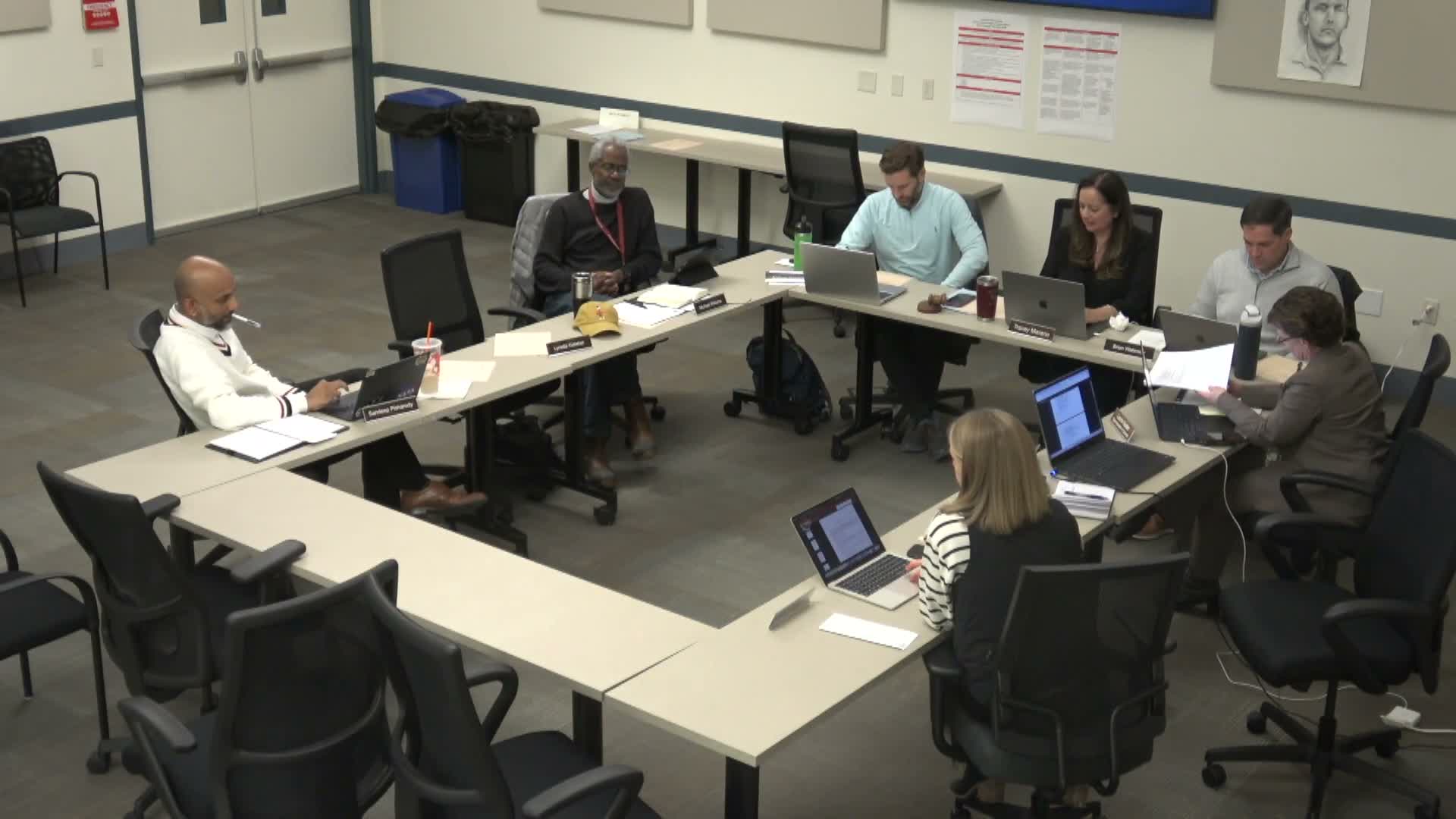
Summary
The Concord‑Carlisle school committee opened a high‑level discussion on a district cell‑phone/digital device policy. Administrators described current CCHS handbook practice (classroom caddies, limited use) and the committee agreed to assemble research, a working group with students, staff and parents, and to report back in January.
The school committee opened a first‑reading discussion on whether to adopt a formal district cell‑phone policy and how it should differ from current handbook language.
Administrators said CCHS currently uses a classroom caddy model and limited use outside instruction: "Students are required to place their cell phones in numbered slots in the classroom phone caddy when they enter their classrooms. They may collect them at the end of class," the chair read from the handbook. The chair and members noted that some districts maintain 'bell‑to‑bell' bans for younger grades and varied approaches for upperclassmen.
Members proposed forming a multidisciplinary working group that would include students, high‑school staff, administrators, parents and school‑committee members to collect research, survey apps and platforms currently used at CCHS, and gather literature such as the attorney‑general's toolkit. Several members recommended early homework (collecting district examples, academic research and local usage data) and agreed to reconvene with materials in January; the chair said she would create a shared drive for submitted research and asked committees to identify which apps are currently used at the high school.
Committee members discussed whether handbook language might remain the operational tool while a policy could provide firmer guidance for enforcement; several said both a policy and aligned handbook language would likely be needed. Members did not adopt a policy at the Dec. 17 meeting but agreed on the timeline for study and stakeholder engagement.