Get Full Government Meeting Transcripts, Videos, & Alerts Forever!
Get email alerts on the Opioid Settlement topic
No spam. Unsubscribe anytime.
Williamson County debates opioid-settlement grant rules, asks for job descriptions and tighter monitoring before awards
Summary
County commissioners reviewed three opioid-settlement applications, discussed legal limits on eligible uses and requested job descriptions, quarterly reporting and contract safeguards to ensure funds benefit Williamson County residents before approving awards.
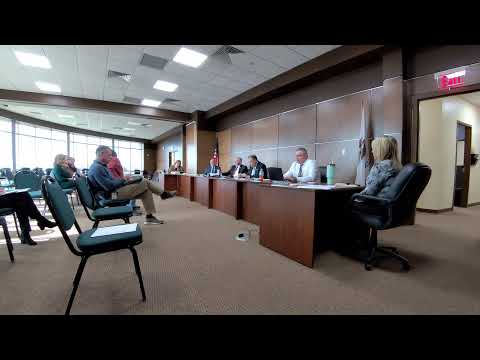
At its Dec. 5 meeting, the Williamson County Board of Commissioners reviewed applications for Illinois opioid-settlement funds and asked staff for more documentation before approving awards.
A county official described the application process and told commissioners the funds come from the Illinois allocation of a national class-action opioid settlement and are earmarked to benefit Williamson County residents. The official emphasized that the settlement and allocation rules constrain eligible uses: "These guidelines that we received from the federal government... they're not discretionary," the official said, adding that improper use could create legal exposure.
Staff said the county issued an RFP and used a vetting process similar to prior settlement funding rounds. Commissioners heard that three applicants submitted proposals, including a Williamson County Fire Department request for a specialized rescue chair to reach people in cluttered or multi-story homes and applications from regional service providers that maintain local offices. Staff described the fire department request as a one-time equipment purchase intended to help first responders reach people more quickly during overdose responses.
Commissioners repeatedly raised concerns about awards to entities headquartered outside Williamson County and asked what safeguards would ensure money would benefit county residents. In response, staff said applicants maintain local offices, quarterly reports will be required, a grant monitor will review reports before subsequent disbursements, and contracts have callback language modeled on ARPA agreements to recoup funds if misused.
A key point of debate was whether settlement funds may pay personnel salaries and benefits. One commissioner said his reading of the guidance limited salary payments to roles directly tied to opioid abatement (he cited ‘‘opioid response coordinators, addiction counselors, and peer recovery specialists’’). Staff countered that some applicants propose community-facing staff who would be dedicated to Williamson County services and that many proposed budgets show a majority of funds going to direct service staff. Commissioners requested job descriptions and specific time-allocation breakdowns for proposed positions, and asked staff to return with clarified language tying any funded personnel to opioid-specific duties.
Chair directed staff to return with the requested job descriptions and monitoring language; a separate funding motion for $47,367 was deferred so staff could provide more information. The board signaled support for robust monitoring and contract language before finalizing awards.