Get Full Government Meeting Transcripts, Videos, & Alerts Forever!
Get email alerts on the Mayoral Campaign topic
No spam. Unsubscribe anytime.
Lehi mayoral candidate Paul Binns prioritizes infrastructure, public safety and fiscal scrutiny
Summary
On the Utah County Republican Party podcast, Paul Binns said he would pursue strategic growth, a five-year plan to add roughly 25–30 police officers, tighter vetting of planning appointments, and closer fiscal oversight of bonds and development incentives.
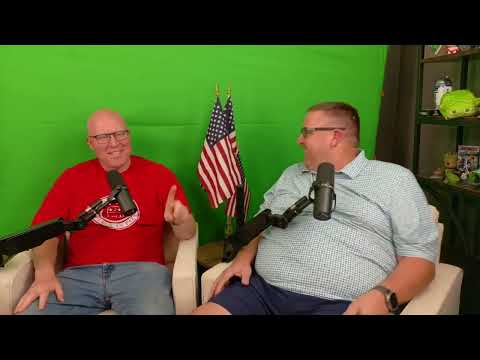
Paul Binns, a Lehi resident and insurance agency owner running for mayor, told the Utah County Republican Party podcast he would make infrastructure and public safety his first priorities and apply stricter fiscal scrutiny to large city projects and development incentives.
Binns said Lehi’s rapid growth has outpaced municipal systems and that the mayor’s office should manage departments to maintain services efficiently. “Our job is efficiency,” he said, adding that small operational tweaks can produce large improvements in service delivery.
He sharply emphasized policing needs, saying Lehi currently “operate[s] on a police force of only 67 officers total” including command staff and proposing “a five year plan of . . . getting ourselves an additional 25 to 30” officers as the city grows. Binns framed the plan as paced hiring tied to budget capacity rather than sudden large-scale recruitment.
On housing, Binns described himself as cautious about high-density projects: he acknowledged the need for more rental options for younger residents but said placement and supporting infrastructure matter. He criticized proposals that cluster large developments next to established half-acre neighborhoods and called for zoning changes only when “a 100% correct” case can be made.
Binns also questioned recent and planned capital spending. He cited a roughly $22 million bond for an initial city-hall phase and a larger multi-phase city campus figure put at about $68 million, and urged officials to weigh prepayment penalties, interest costs and the burden on fixed-income residents before taking on new debt. He argued departments should be reviewed line by line to identify savings and make targeted budget requests.
City-owned facilities and utilities drew particular scrutiny. Binns said the Legacy Center is heavily used by nonresidents and should not operate at a sustained loss, and suggested higher nonresident fees if outside users do not pay their share. He called municipal power and water “huge assets” that the city should protect while improving water measurement and meter programs tied to state rules.
On development policy, Binns criticized routine use of development agreements and redevelopment tax incentives (RDAs) for standard new projects, saying incentives should target true redevelopment or unique economic opportunities. He pointed to examples such as Costco and Cabela’s as appropriate RDA use but warned against sacrificing commercial parcels that supply sales-tax revenue—he estimated sales tax makes up about 70% of Lehi’s budget.
Binns said the mayor should carefully vet planning commission appointees for code and water knowledge and that appointments should be staggered, not wholesale replacements. He also urged regional collaboration with neighboring cities, UDOT and MAG on major road projects such as 2100 North and Pioneer Crossing to avoid piecemeal solutions that create traffic bottlenecks.
On communications, Binns recommended modernizing the city website, improving proactive digital outreach and making project data easier for residents to find. He provided campaign logistics and voting information—encouraging early ballot returns, pointing to a drop box at the Public Safety Building and listing his campaign site, Binnsformayor.com.
The podcast closed with a reminder of campaign events in the final week and Binns’s call for residents to turn out to vote.